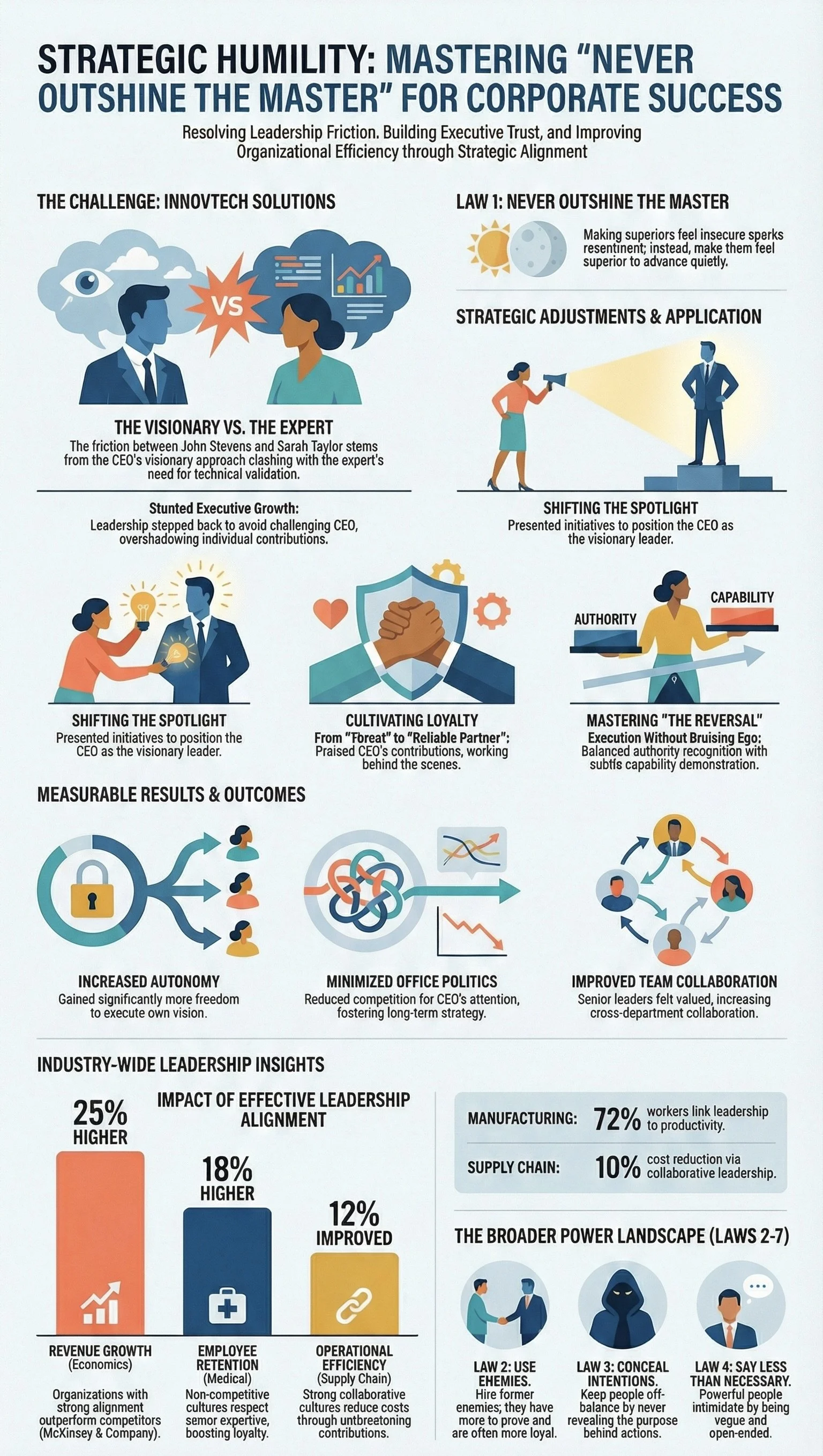

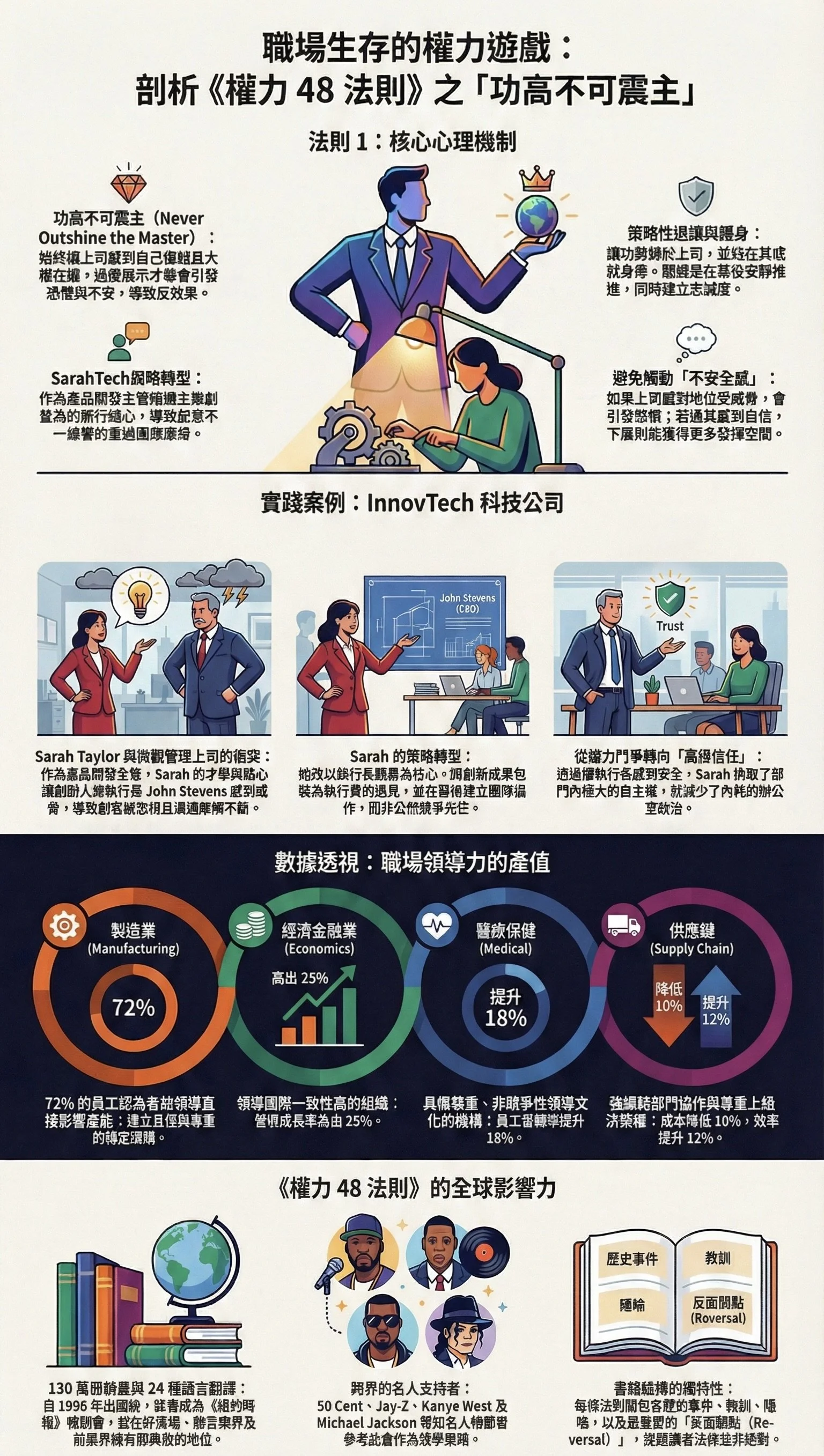
在職場的權力走廊中,我們常目睹一種令人心寒的弔詭:那些最聰明、最具創意且工作最努力的菁英,往往不是平步青雲,而是率先被邊緣化。這並非因為他們不夠優秀,恰恰是因為他們「太優秀」了。這種現象在心理學上可視為一種「職涯的捧殺」——當你的光芒過於耀眼,反而會灼傷那些掌握你升遷命脈的人。

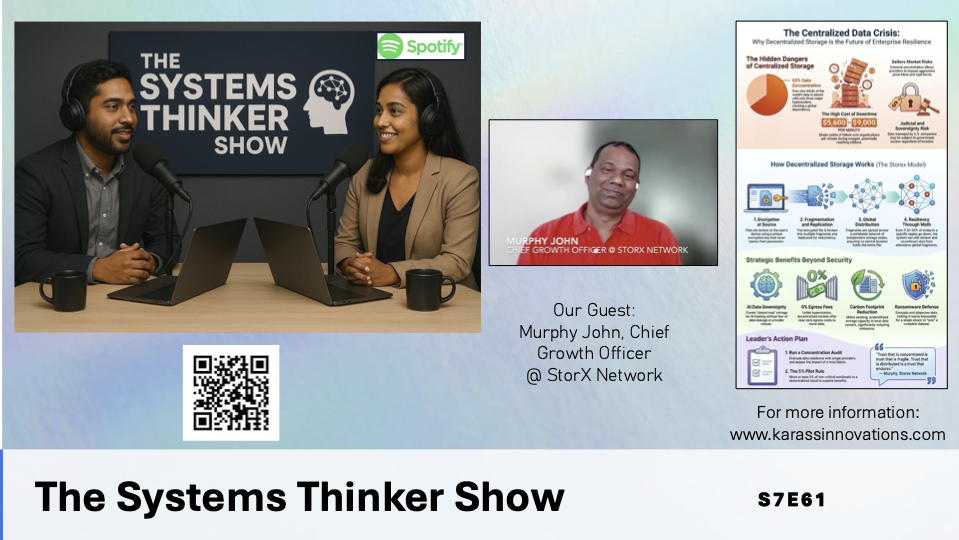
The urgency of this fragility cannot be overstated. In the last five years alone, humanity has generated more data than in the previous twenty years combined. This explosion—driven by AI training, IoT, and edge devices—is being funneled into an aging, centralized infrastructure that was never designed to handle this level of volume or volatility. We aren’t just building on a narrow foundation; we are building a skyscraper on a toothpick.
The cost of "winning" through these scorched-earth tactics is staggering. Even the so-called victors walk away drained, having spent immense financial resources and emotional capital spinning in controversy for years. This is not how evolution works; it is how relationships die. True leadership requires moving away from the default adversarial mindset and toward a faster, more informal, and infinitely more effective way to resolve human friction.
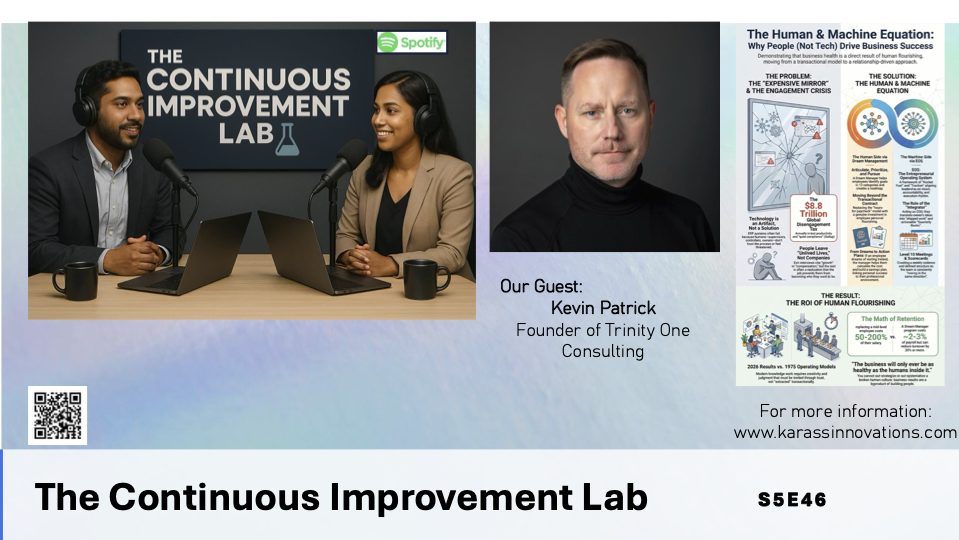
When Kevin, a veteran business turnaround expert known as the "Business Doctor," enters these environments, he doesn't start with the server room. He starts with a factory tour. He asks the leadership a pointed question: "When was the last time you actually turned a screwdriver out here?"He knows that the boardroom view rarely matches the reality of the shop floor.
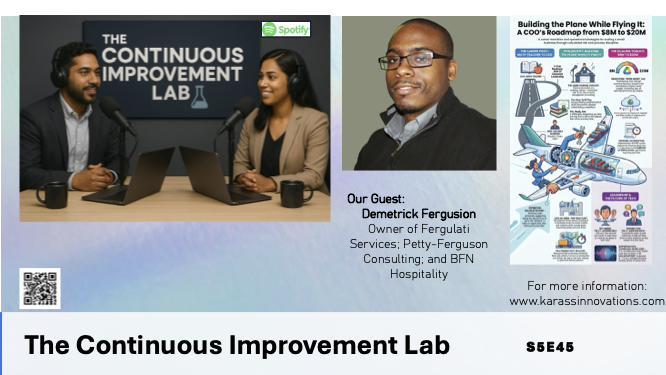
Transitioning from education to management consulting—fueled by a reading list that began with Eliyahu Goldratt’s The Goal and a Green Belt in Lean Six Sigma—I realized that growth is not about waiting for perfect conditions. It is an expeditionary process. For leaders stalled by the fear of the next leap, these five counter-intuitive lessons from the front lines of operational scaling offer a blueprint for executing under pressure.
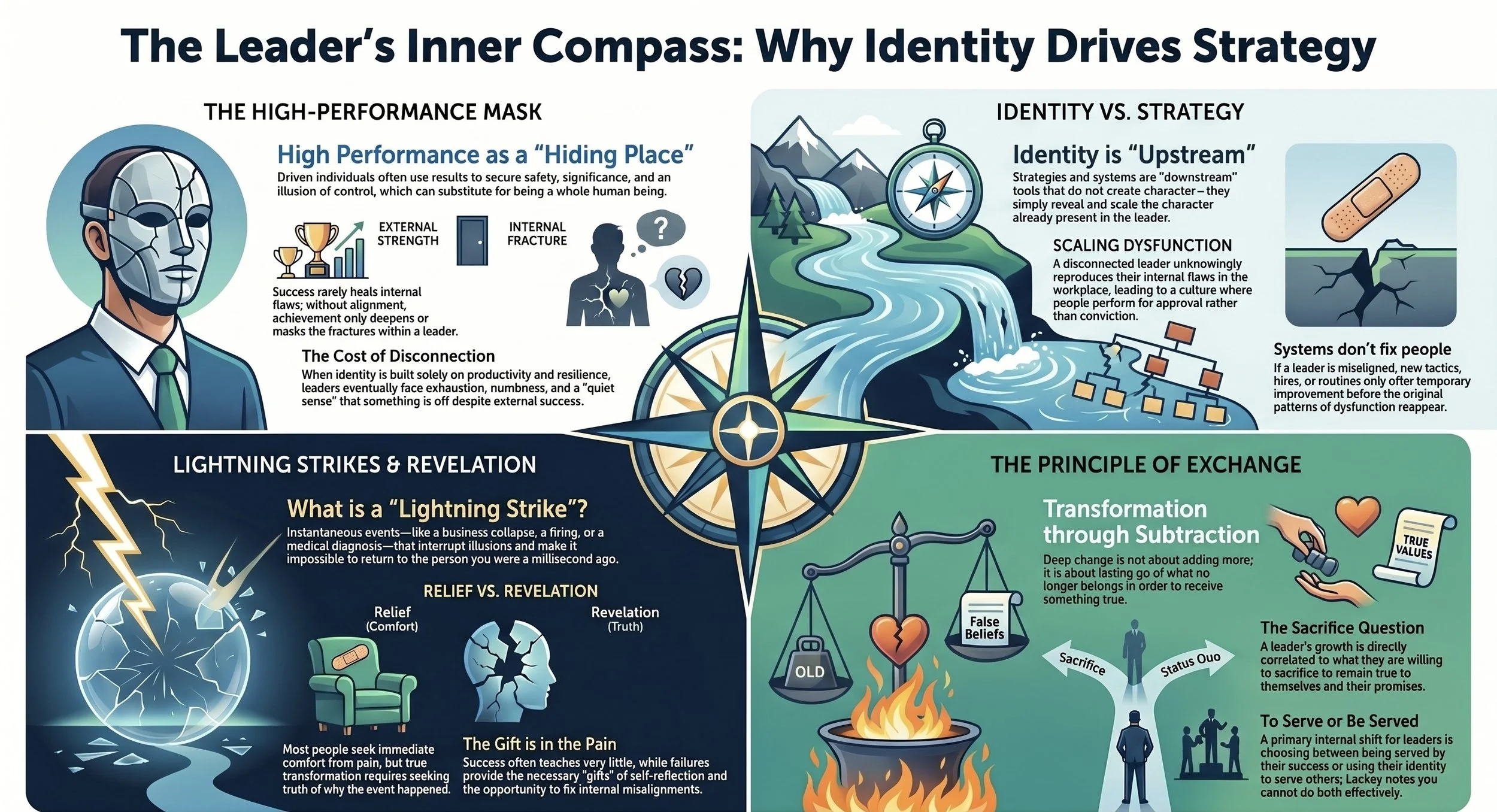
In the rarified air of high achievement, the resume is often treated as a proxy for the soul. We look at the military service, the grueling Iron Man finishes, and the businesses sculpted from a napkin to $3 million in private equity funding. To the outside observer, these are the artifacts of a triumph. To the high-performer standing in the wreckage of that $3 million collapse, however, the view is different.
In the high-stakes environment of modern business, talent is often viewed as a universal currency. Yet, as a workplace culture strategist, I frequently observe a recurring pathology: the high-performing executive who hits a ceiling not because of a lack of skill, but due to "organizational friction." These individuals suffer from the delusion that technical brilliance alone guarantees advancement, ignoring the shadow dynamics that dictate professional survival.
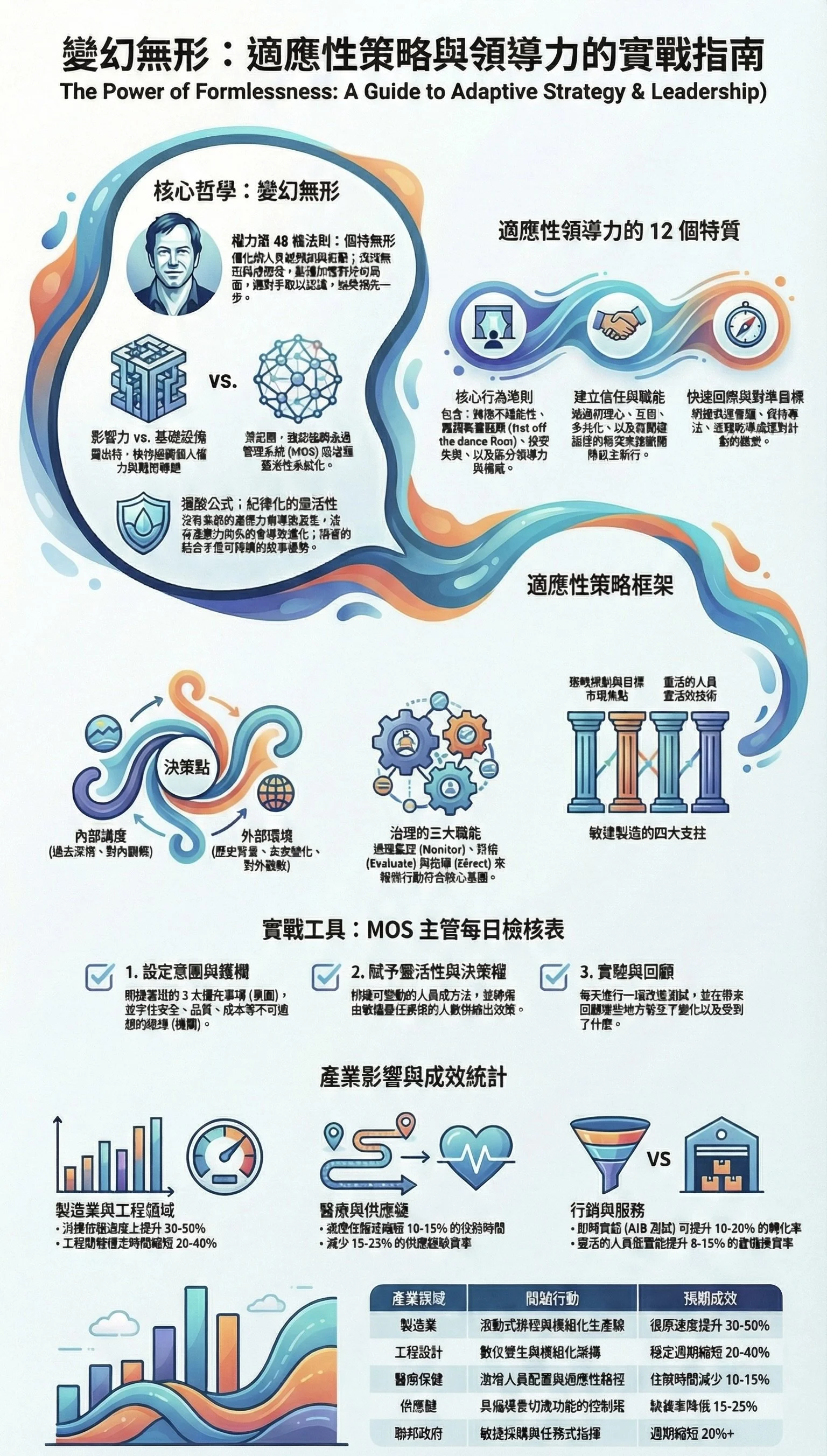
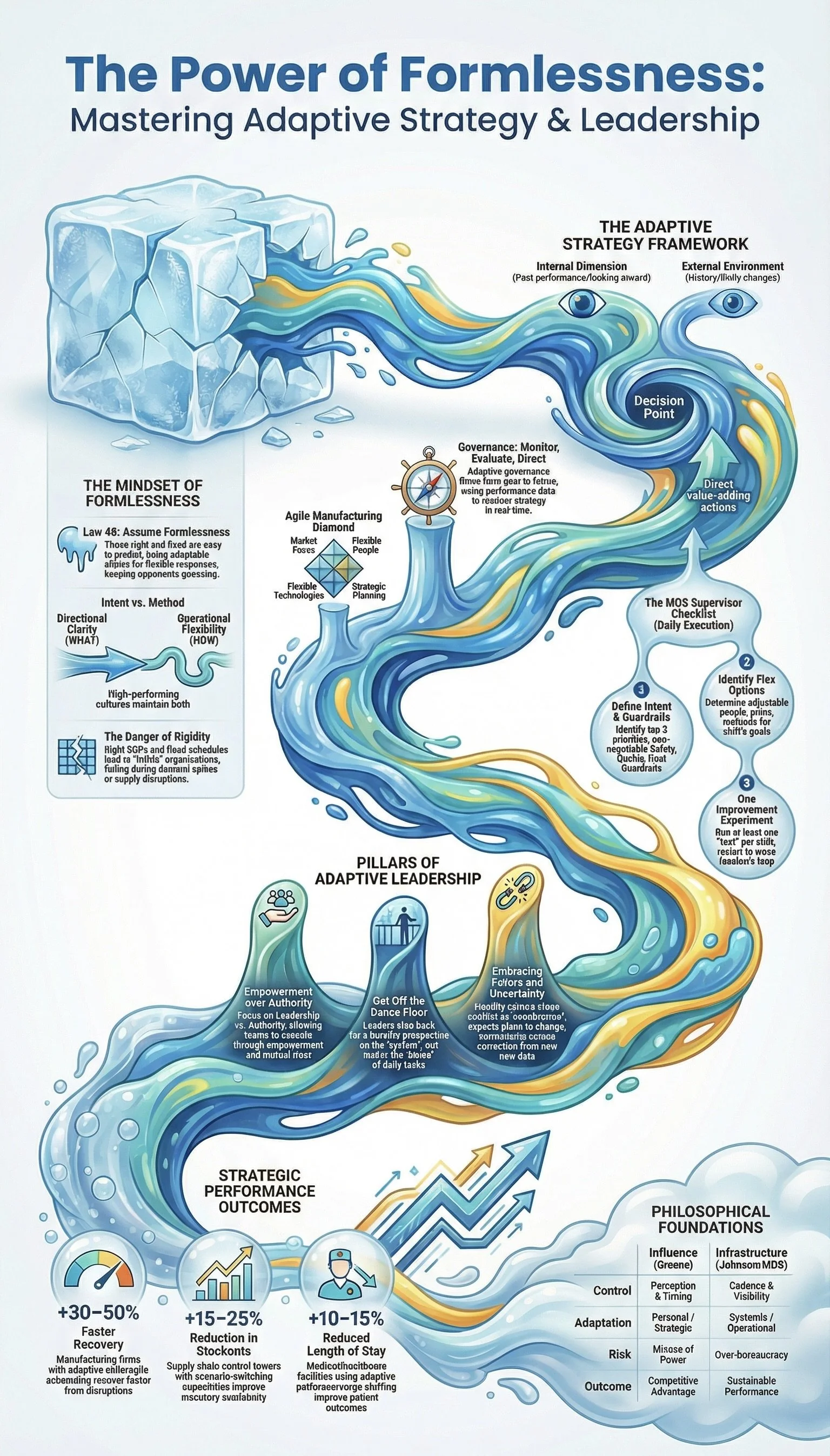
In an era defined by volatile demand, labor constraints, and cascading supplier disruptions, the greatest threat to an organization isn’t a lack of discipline—it is rigidity. Standard Operating Procedures were designed as armor; in today’s volatility, they have become a straitjacket. Many organizations operate as "brittle" systems: they are highly optimized and efficient under laboratory conditions, but they shatter the moment reality diverges from the plan.
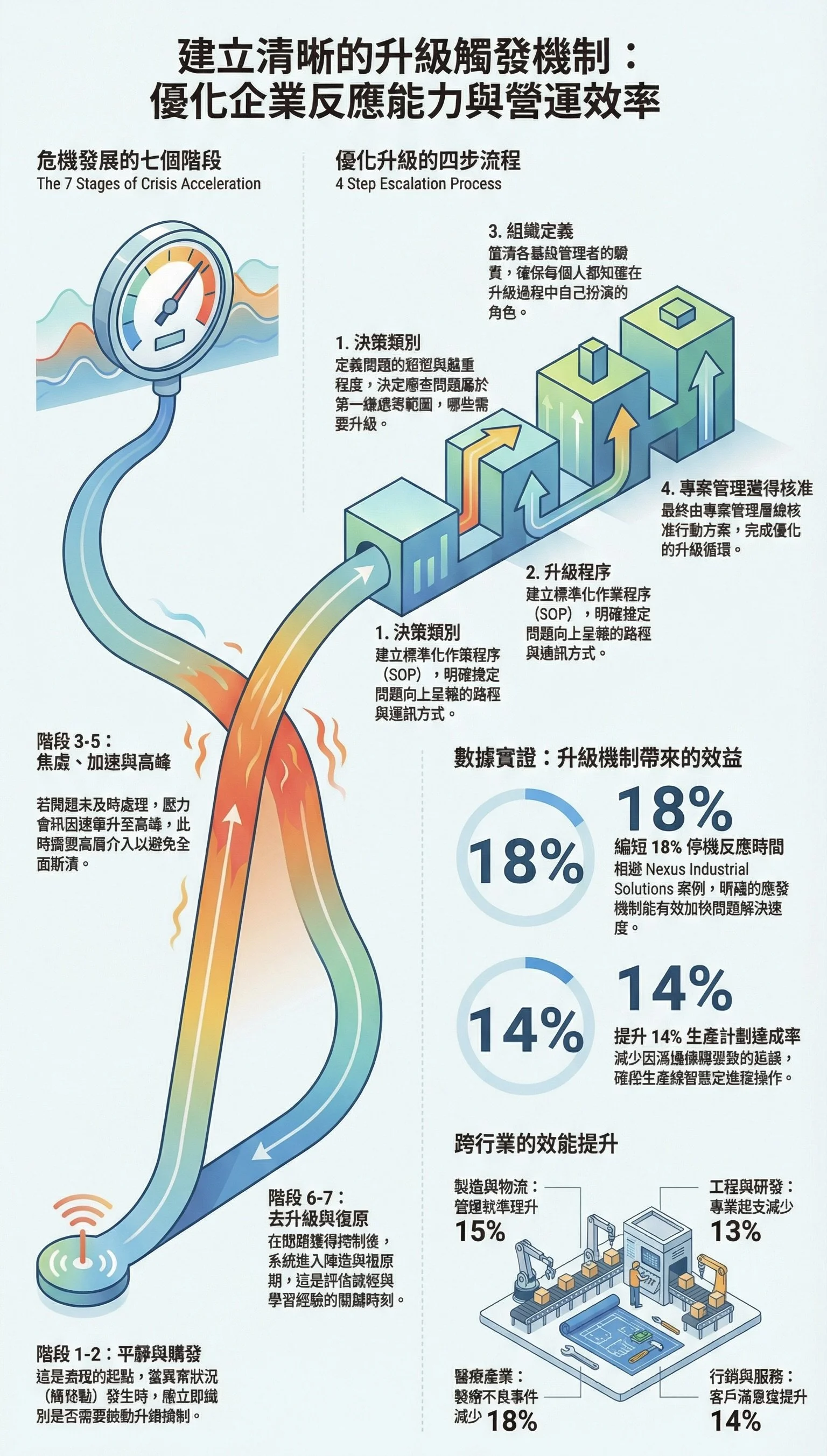
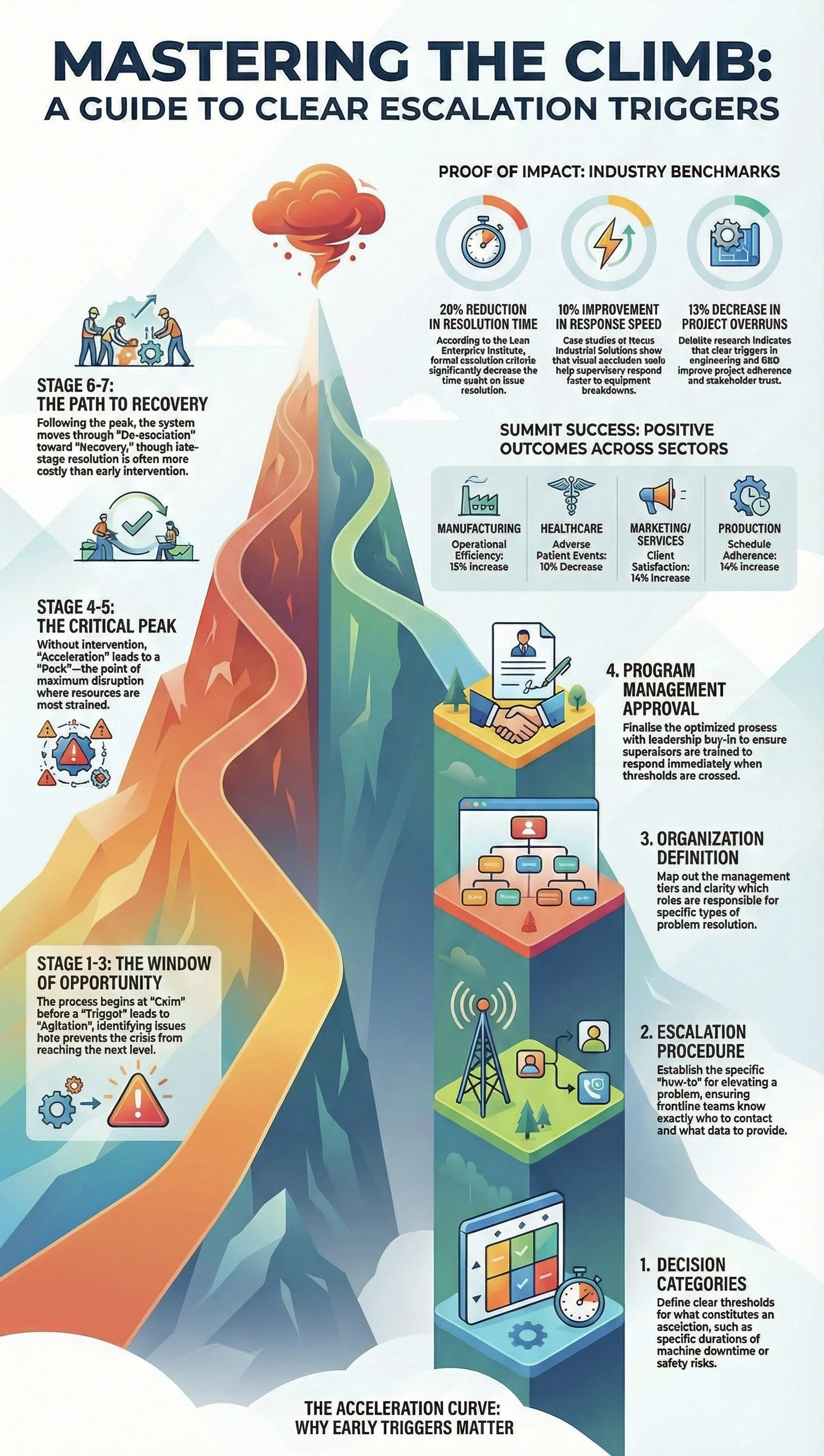
In the high-pressure environments of modern industry, "firefighting" is frequently misdiagnosed as productivity. It is a pervasive workplace frustration: a minor mechanical hiccup or a slight quality deviation occurs, but frontline workers—uncertain of the threshold for intervention—attempt to resolve the issue in isolation. By the time the problem surfaces to management, it has snowballed into a catastrophic production stoppage.
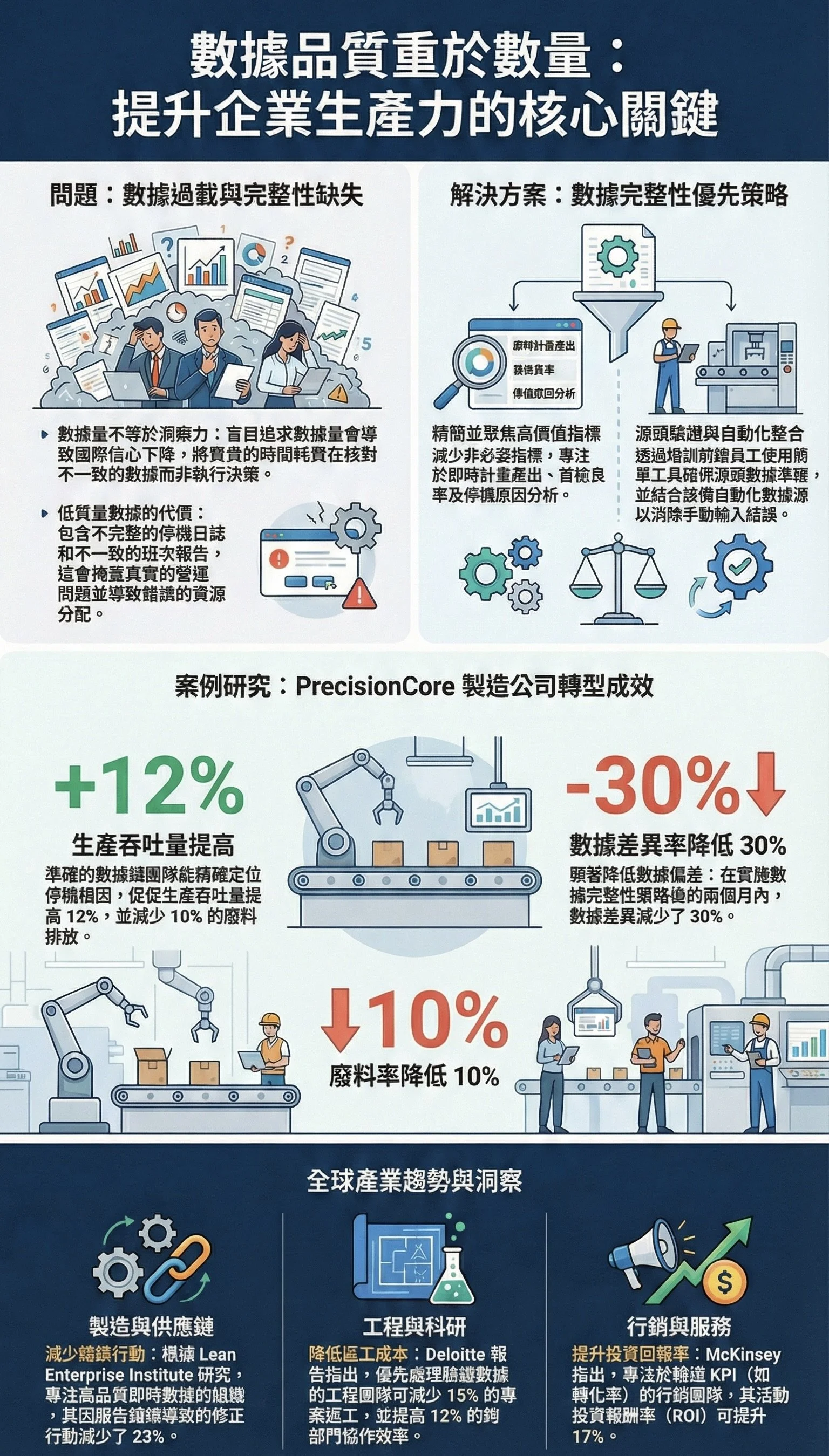
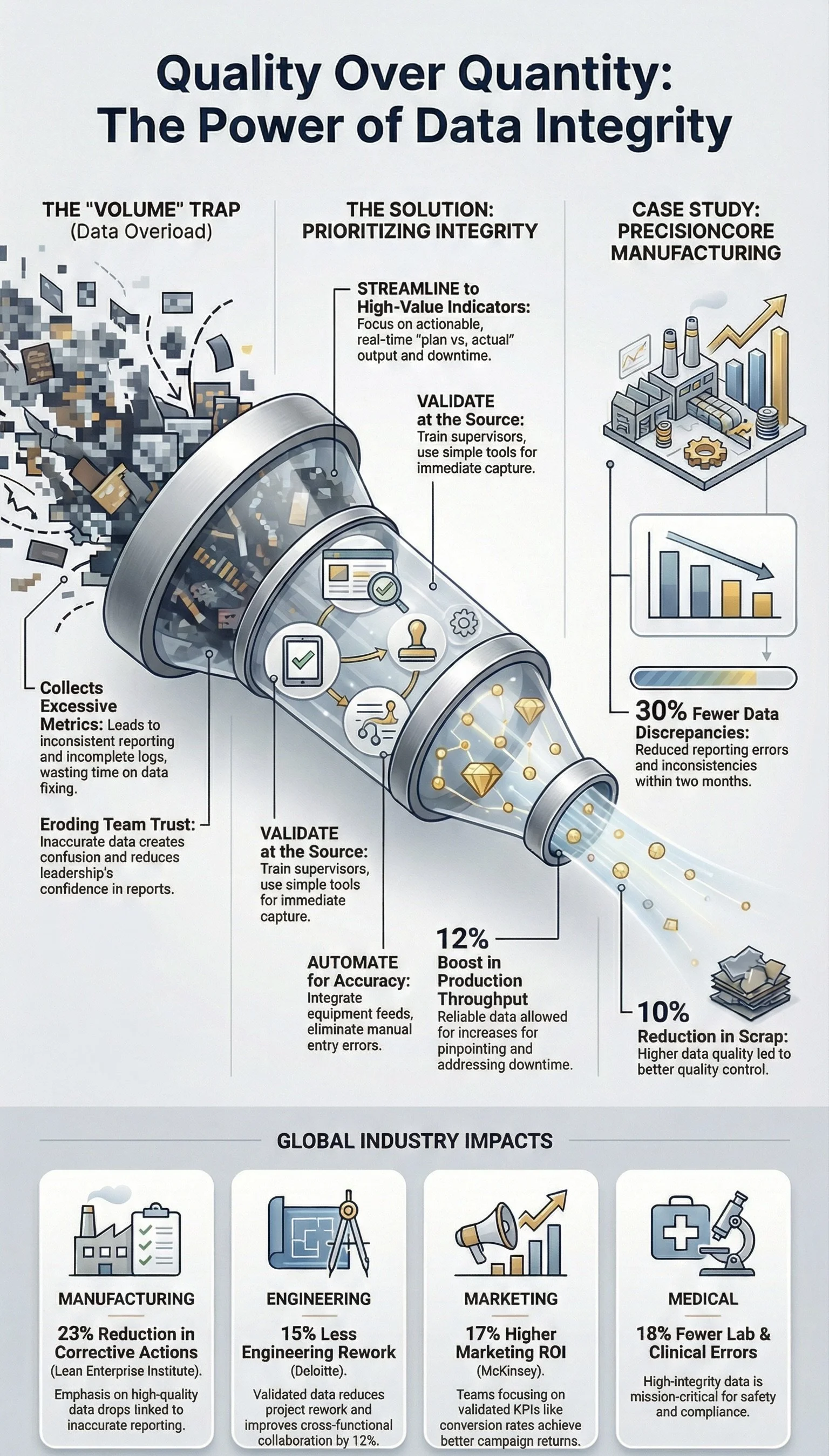
Most leaders begin their day buried under 50-page slide decks and exhaustive dashboards, yet they often struggle to answer a fundamental question: Why did we miss our target yesterday? This is the "data drowning" reality of the modern enterprise. We operate under the flawed assumption that volume equals insight, but in practice, excessive data often creates "decision latency" and operational friction. The counter-intuitive truth known to the most effective organizations is that a leaner data set—rooted in integrity and actionability—is the ultimate catalyst for high-velocity decision-making. To reclaim productivity, leadership must pivot from managing the quantity of metrics to ruthlessly protecting the integrity of the information.
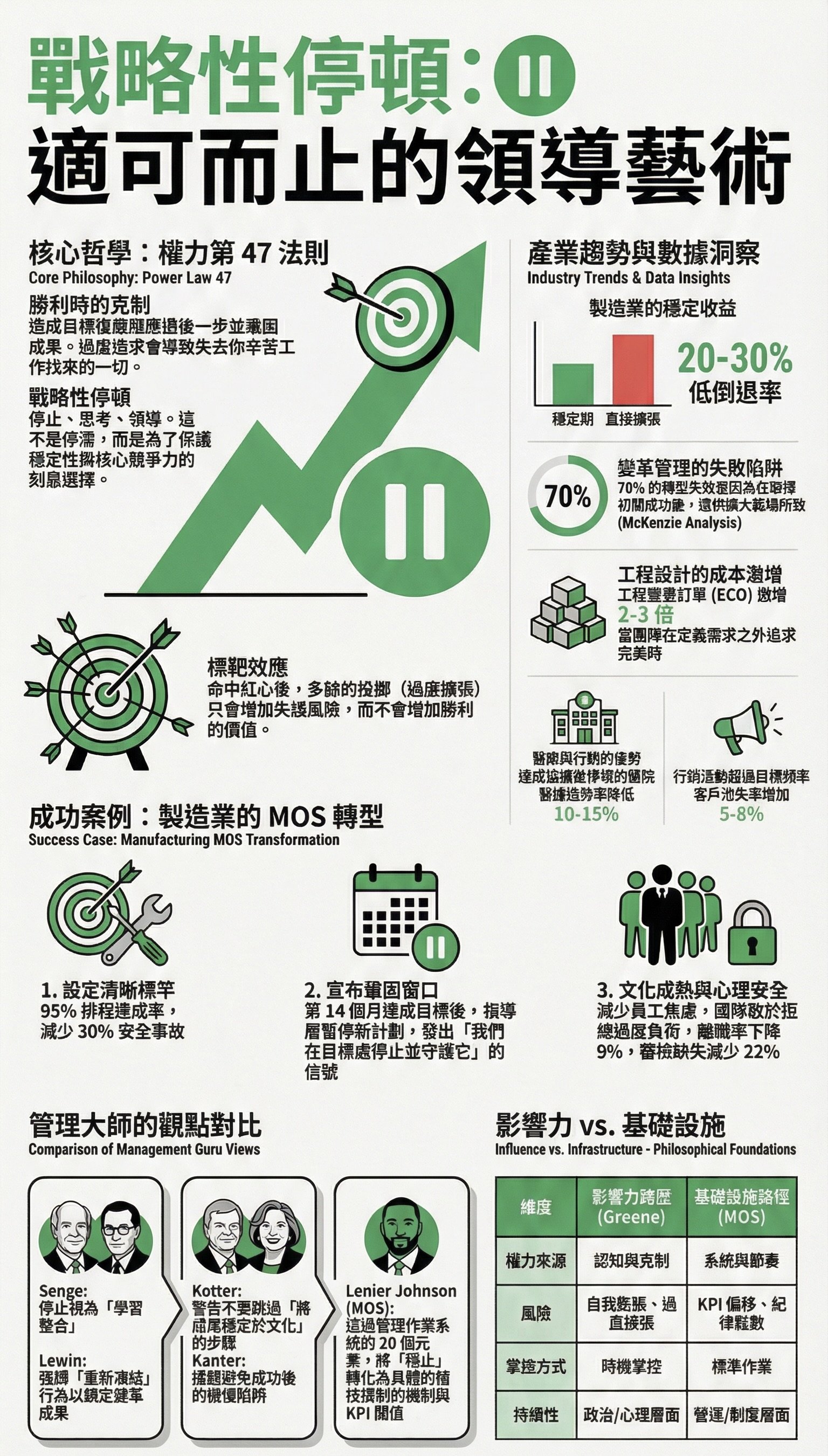
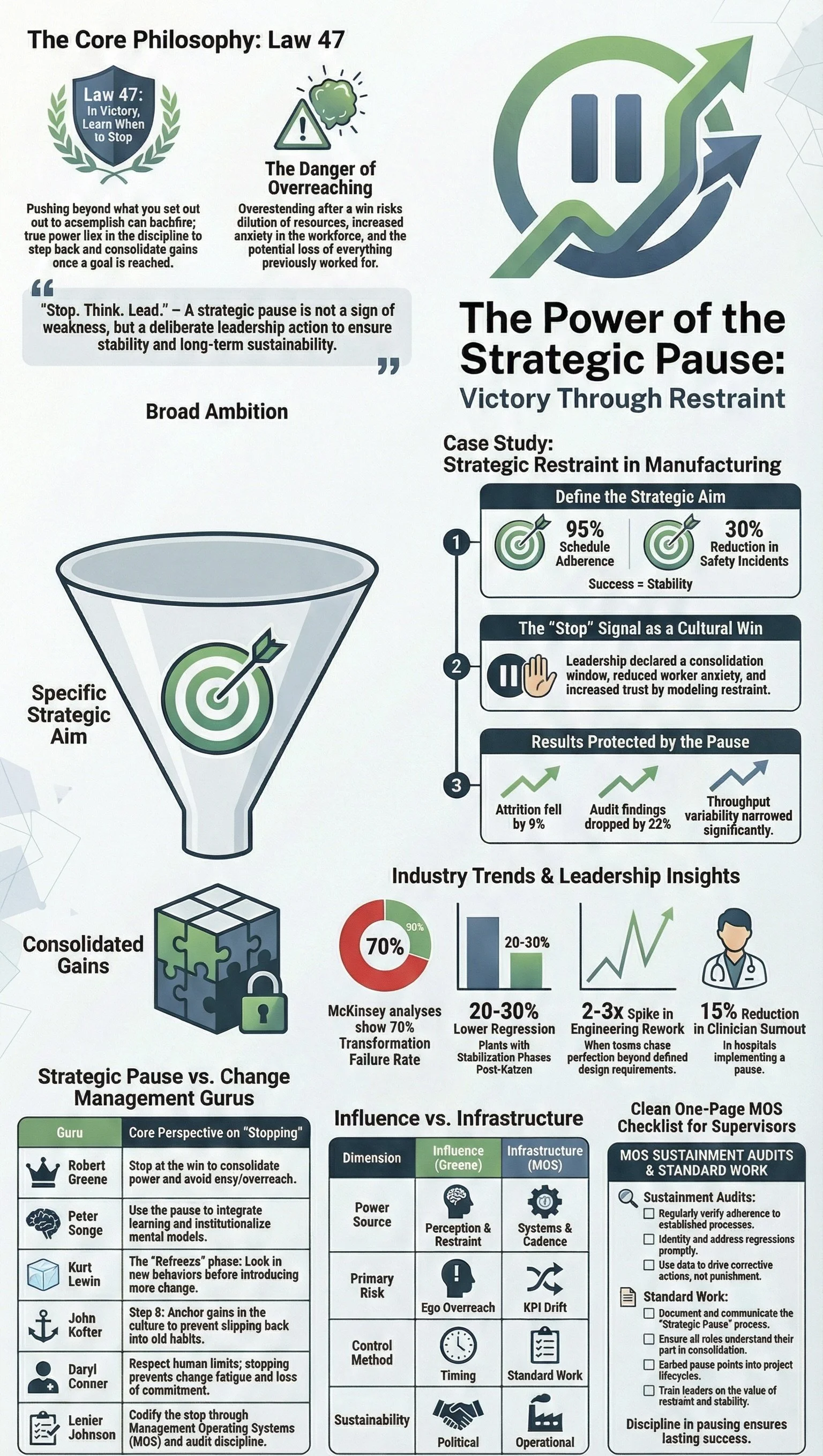
For most executives, the "Glory of the Charge" is an intoxicating siren song. We are conditioned to believe that relentless momentum is the only hallmark of a high-performer and that every milestone reached is merely a green light to push harder. However, in the high-stakes arena of organizational transformation, the most dangerous moment for a leader is the one immediately following a hard-won victory.
This is the Victory Trap: an ego-driven obsession with "more" that blinds leaders to the reality that they have outrun their own supply lines. When success leads to immediate overreach, the result is rarely growth; it is the accumulation of cultural and technical debt that eventually bankrupts the original win. To navigate this, the modern architect of culture must master the Strategic Pause. By internalizing the framework to Stop. Think. Lead., leaders transform from impulsive chasers of momentum into disciplined guardians of sustainable performance.