


1. 引言:會議後的「黑洞」效應
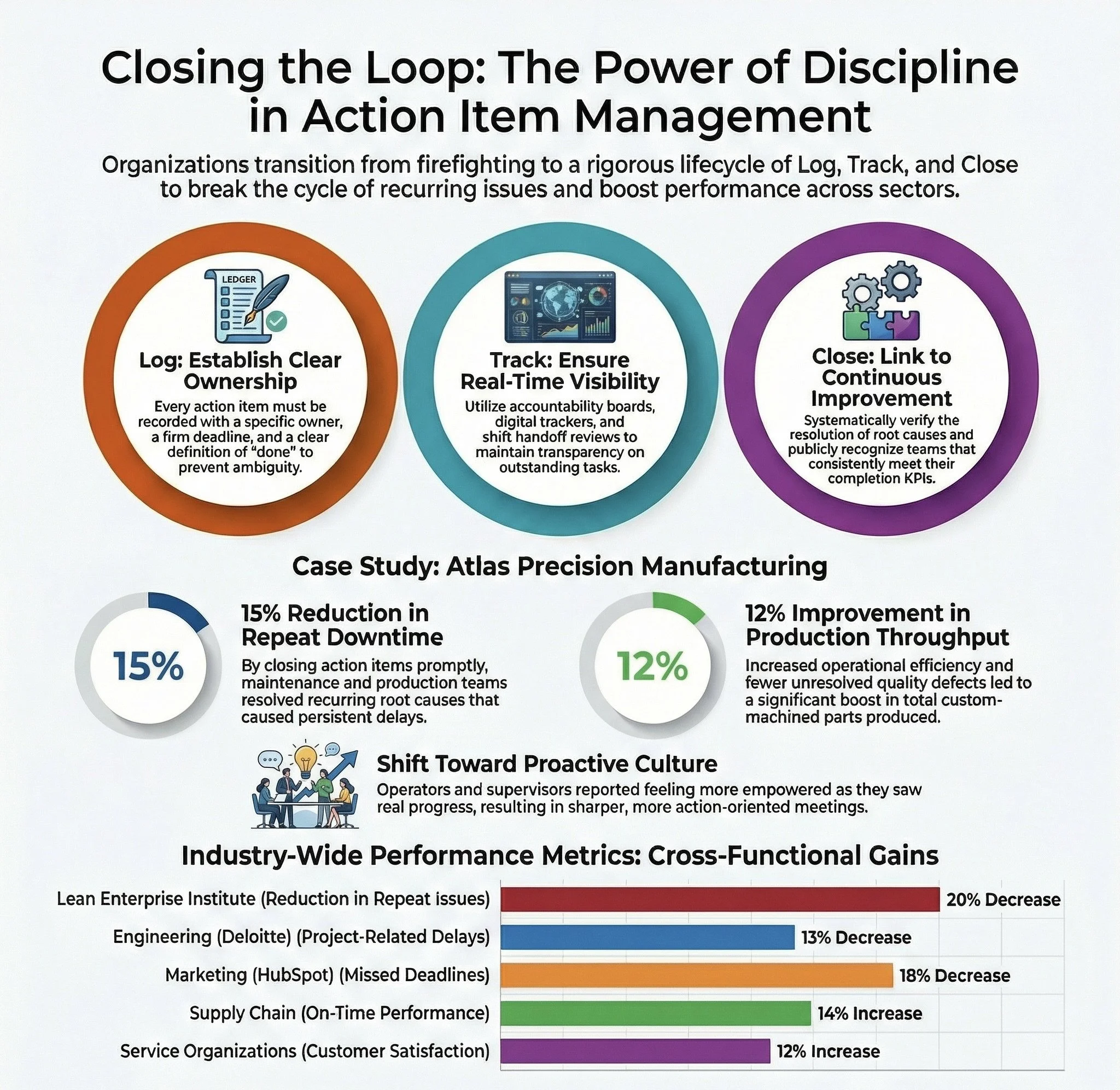
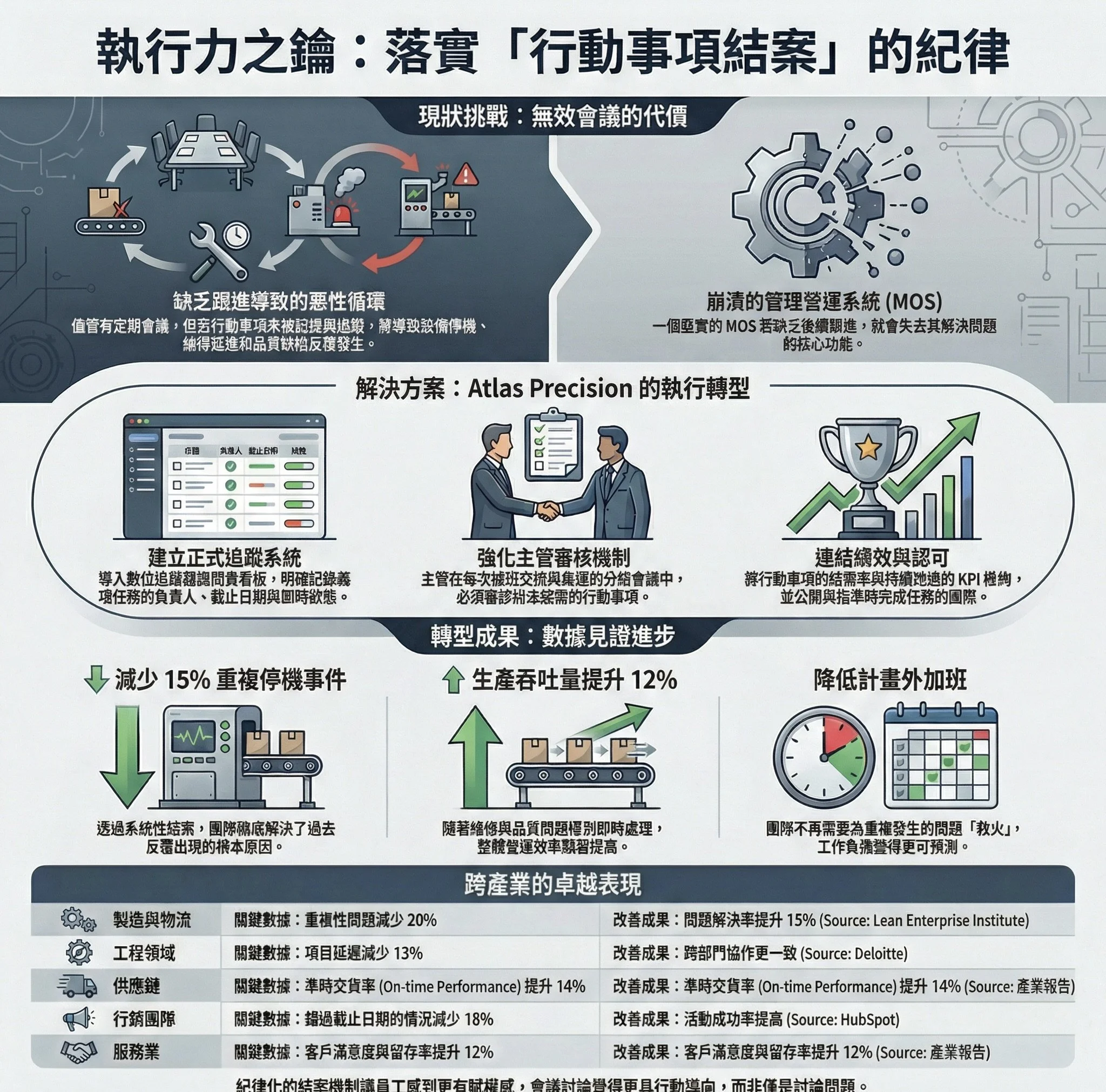
你是否也曾察覺,企業內部最昂貴的資源往往虛耗在無止盡的會議中?許多組織擁有完善的管理運作系統(MOS),在會議室內,團隊總能精準診斷問題、規劃藍圖。然而,一旦踏出門外,這些行動項(Action Items)卻往往墜入「事件視界」,消失在日常瑣事的黑洞中。這種「發現問題卓越,解決問題無能」的營運摩擦(Operational Friction),正是執行力斷層的根源。如果行動無法落地,再完美的共識也只是營運系統中的雜訊。

We all live "as if" a certain reality exists. You may live "as if" your feelings are the ultimate arbiter of truth or "as if" the material world is the only horizon. However, worldview is not a matter of subjective preference; it is a matter of alignment.
Steven Pivnik describes himself as a "recovering entrepreneur," but the cold reality is that he is a master of the high-stakes long game.
Why do some organizations navigate high-stakes pressure with grace while others crumble under the weight of a market shift? For many leaders, the answer lies in rigid processes or aggressive KPIs. However, Hanna Bauer—a transformation expert and Lean Six Sigma Black Belt—argues that the secret to sustainable performance is found at a much deeper level.
For Celeste Warren, a former Fortune 100 executive and global DEI chief, this wasn't just an economic case study—it was her backyard. It was also the backdrop for her father’s career as the first Black teacher and principal in the region. Every evening at the dinner table, Warren received a masterclass in systemic friction. She listened to her father describe the daily exhaustion of being a pioneer in a system not built for him. These stories became the catalyst for a radical leadership philosophy: Equity is not a "nice-to-have" moral outreach project. It is a pragmatic leadership discipline—the corporate equivalent of Pittsburgh’s reinvention—required for survival in a global, multi-generational market.
The urgency of this fragility cannot be overstated. In the last five years alone, humanity has generated more data than in the previous twenty years combined. This explosion—driven by AI training, IoT, and edge devices—is being funneled into an aging, centralized infrastructure that was never designed to handle this level of volume or volatility. We aren’t just building on a narrow foundation; we are building a skyscraper on a toothpick.
The "Meeting-Action" Paradox
In the theater of modern business, few scenes are more common—or more deceptive—than the high-energy team huddle. A group of talented professionals identifies a critical bottleneck, aligns on a solution, and leaves the room feeling a profound sense of accomplishment. Yet, two weeks later, that same bottleneck remains, effectively calcified. This is the "Meeting-Action" Paradox: the phenomenon where robust communication fails to catalyze real-world change.
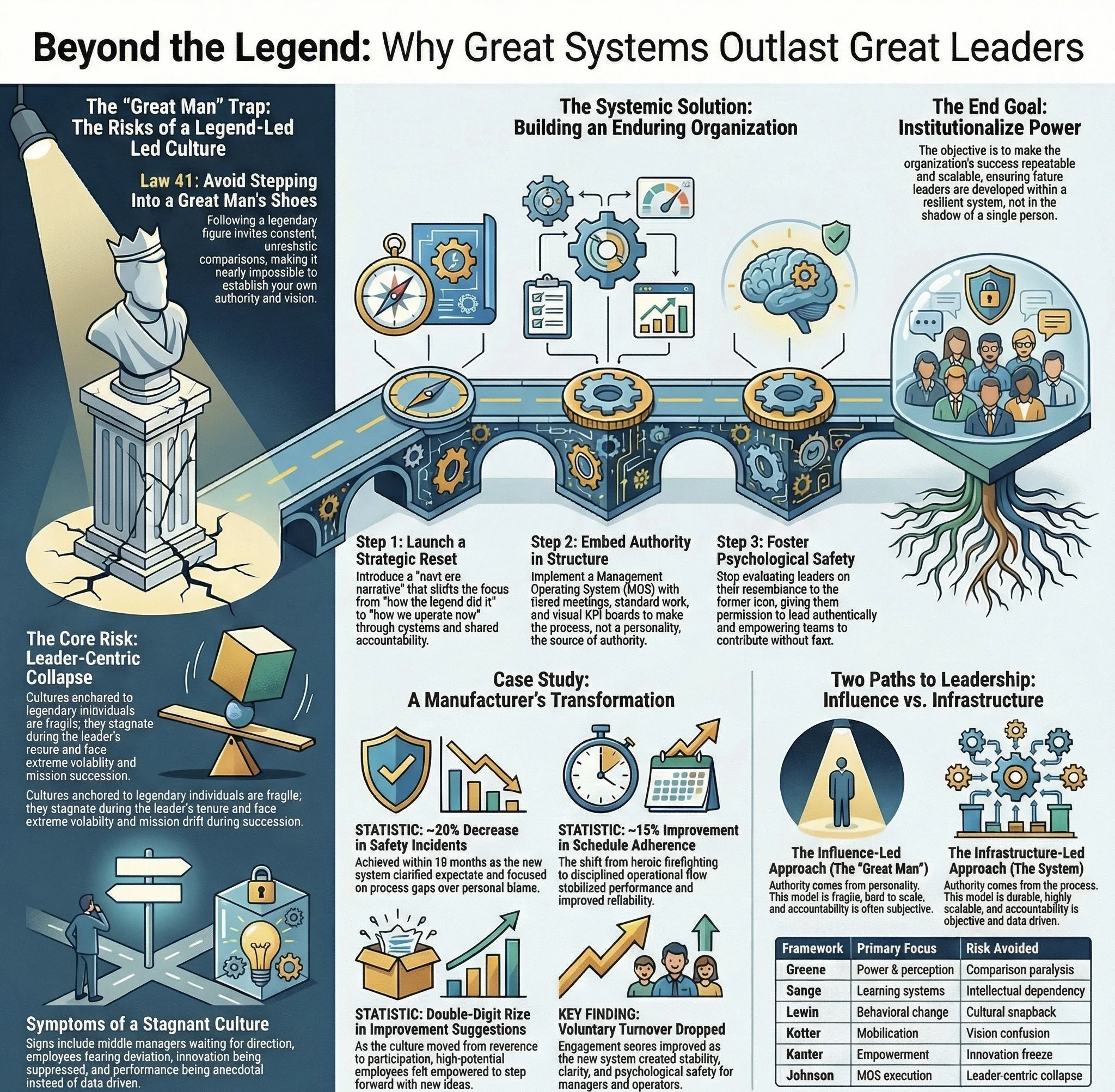
Stepping into a role previously held by a beloved, legendary figure is one of the most daunting challenges in leadership. The pressure is immense, the expectations are sky-high, and the predecessor’s shadow looms large. This is the successor's dilemma: how do you lead when you're constantly being measured against a ghost?
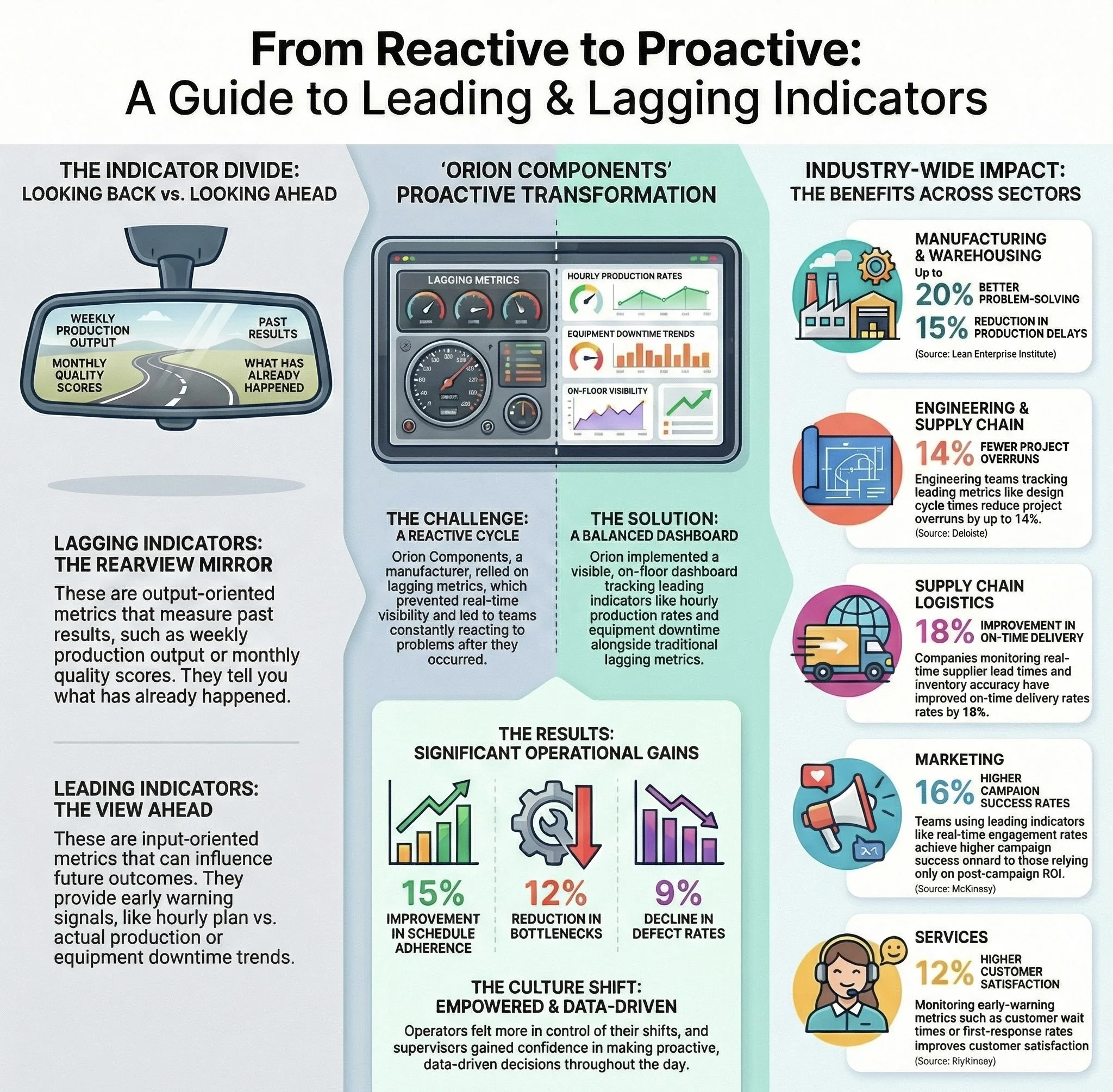
Are your team meetings spent discussing why you missed last week's targets? Do you feel like you're constantly "firefighting"—reacting to performance issues only after they've already occurred? This reactive loop burns out your best people, inflates costs, and erodes customer trust. It’s like trying to drive a car by only looking in the rearview mirror. You can see where you've been, but you have no idea what's coming up ahead.
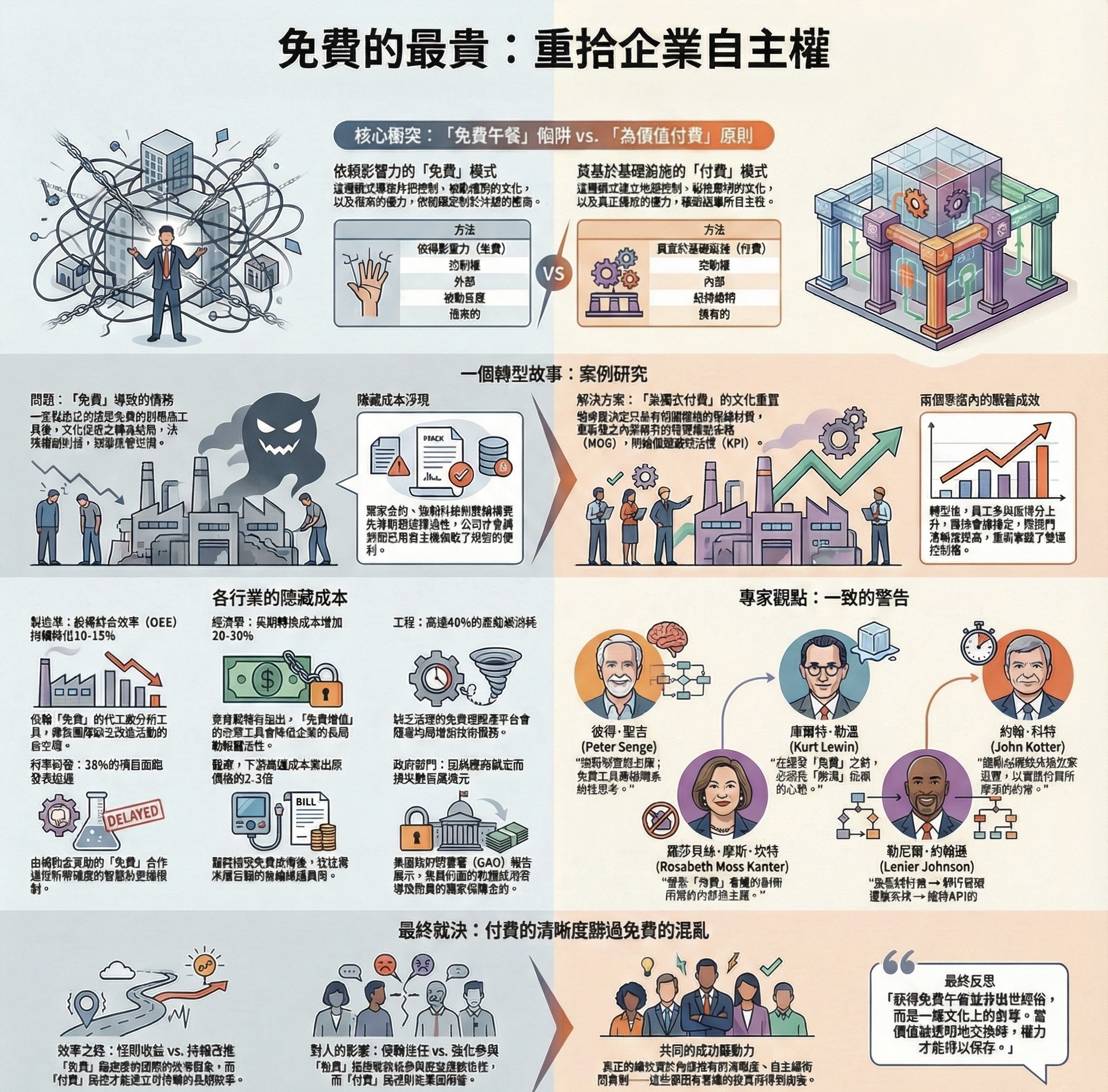
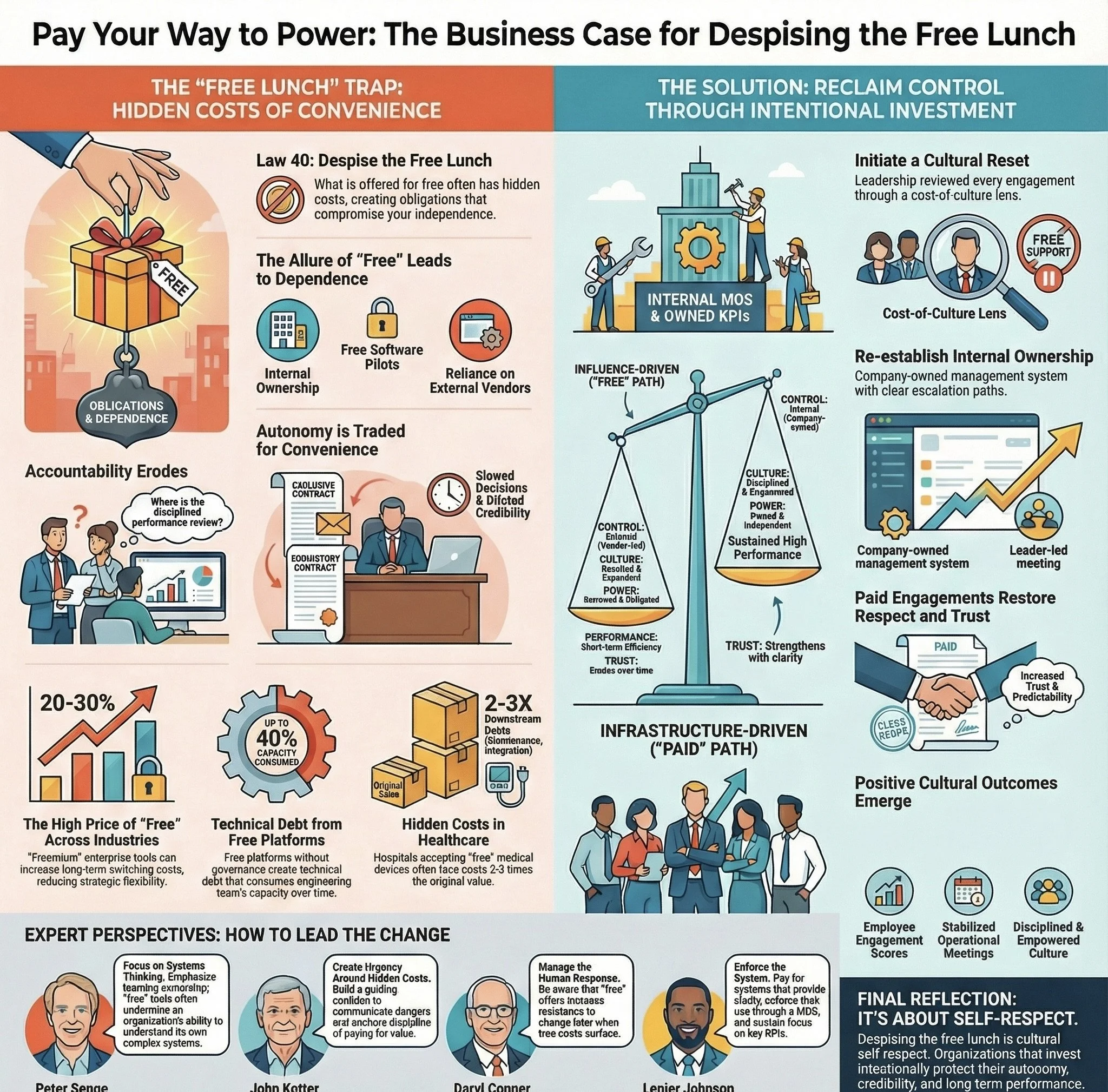
This collection of texts explores the strategic necessity of avoiding deceptive offers and maintaining organizational independence by applying Robert Greene’s principle to "despise the free lunch." The sources provide a comprehensive business case study illustrating how a manufacturing firm reclaimed its culture by transitioning from vendor dependency to internal ownership and disciplined management systems. Leadership insights across various sectors, from engineering to the federal government, further demonstrate the hidden costs and long-term risks associated with "free" resources. The material compares Greene’s power-based philosophy with traditional change management theories to highlight how financial investment fosters accountability. Detailed performance tables and implementation tools are included to help supervisors transition from a reactive mindset to one rooted in operational infrastructure. Ultimately, the text argues that paying for value is a fundamental requirement for preserving authority and ensuring sustainable success.
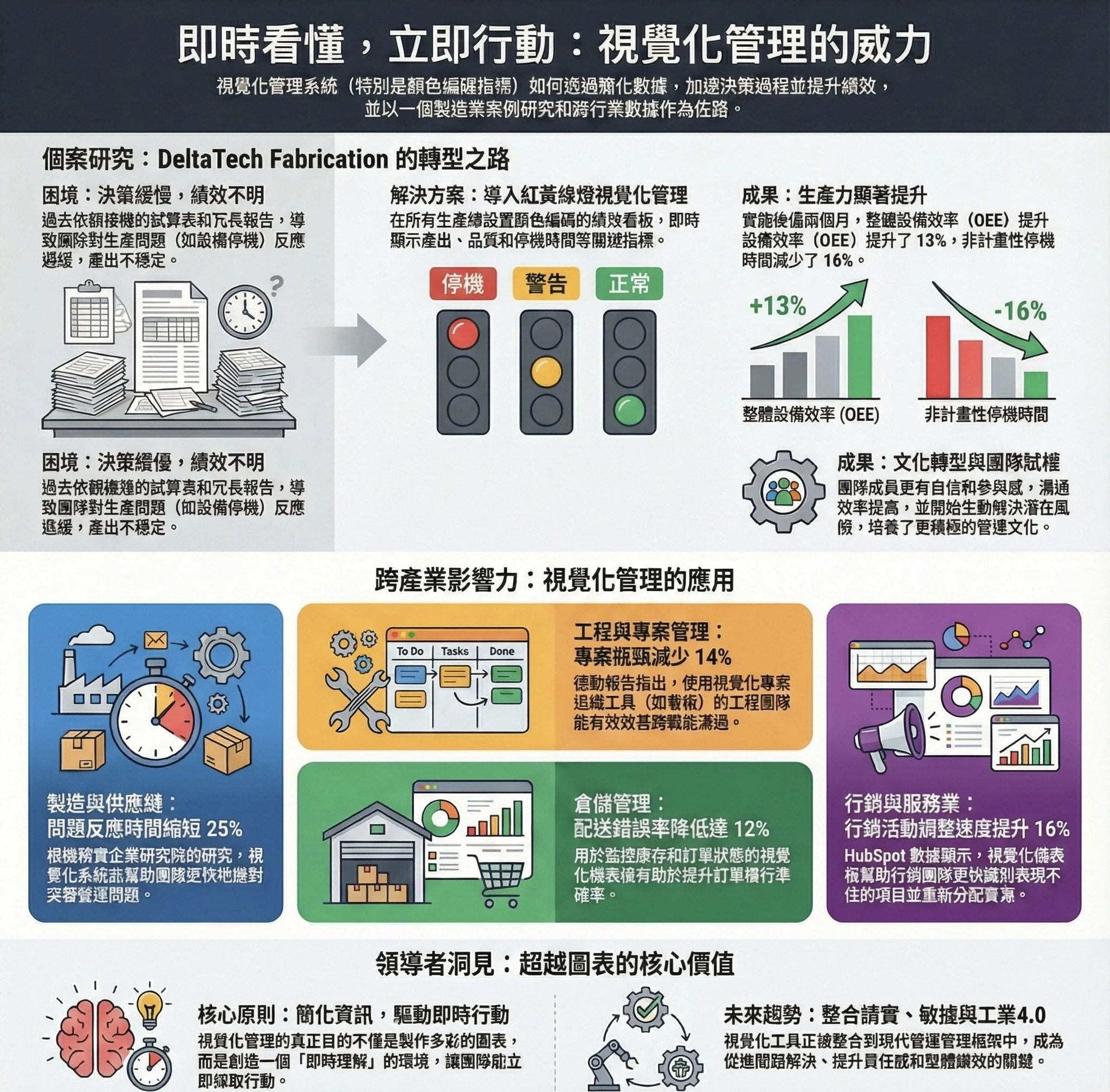
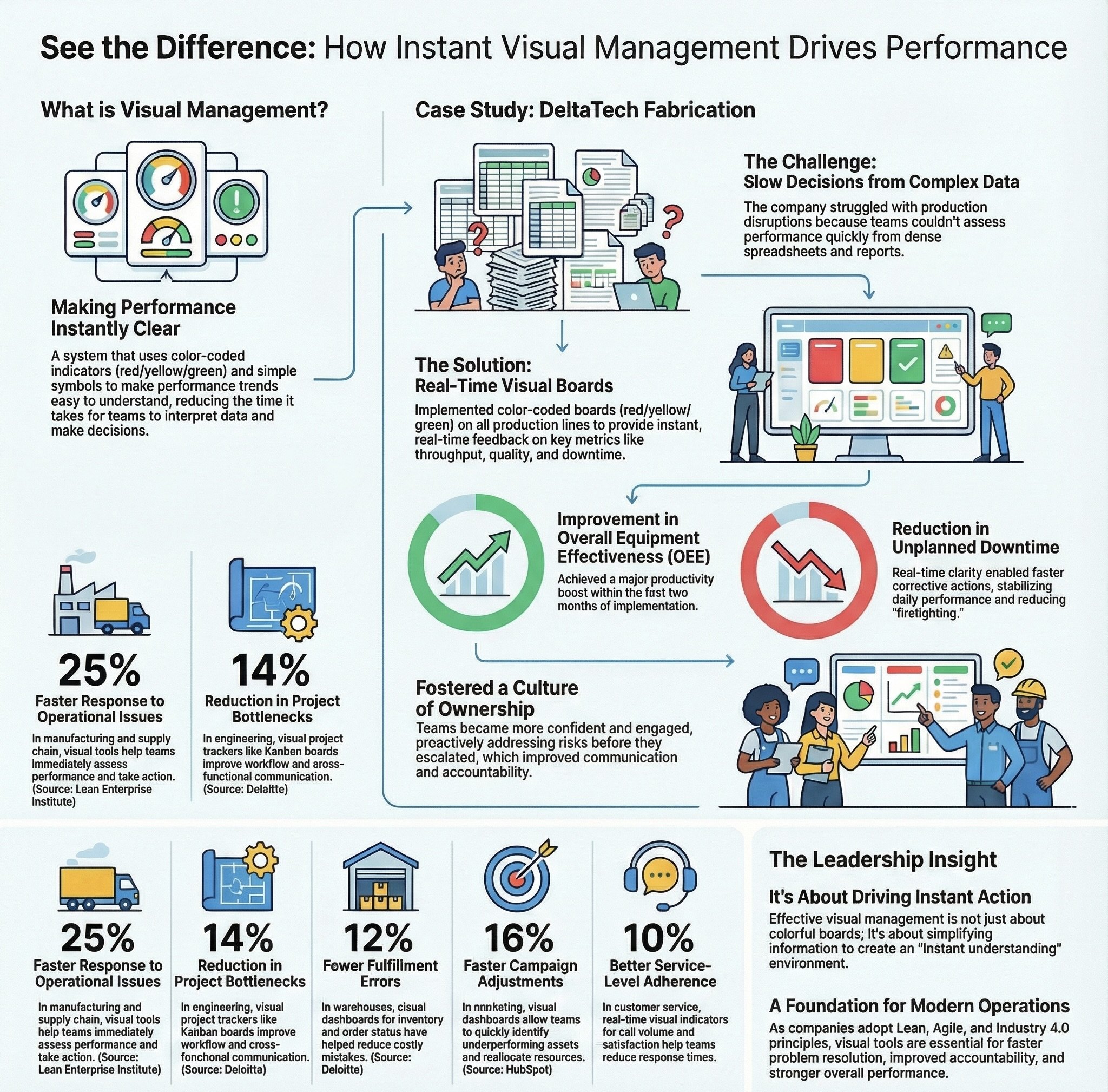
The provided text outlines the strategic importance of instant visual management across diverse sectors like manufacturing, engineering, and marketing. It highlights how color-coded indicators and simplified symbols replace dense data reports to allow for rapid decision-making and immediate problem resolution. A featured case study of DeltaTech Fabrication demonstrates that implementing these real-time tools can lead to significant gains in operational efficiency and equipment effectiveness. Furthermore, industry research suggests that visual dashboards foster a more proactive culture by reducing the time required to interpret performance trends. Ultimately, the sources emphasize that transparent data visualization serves as a catalyst for increased productivity and stronger team accountability.
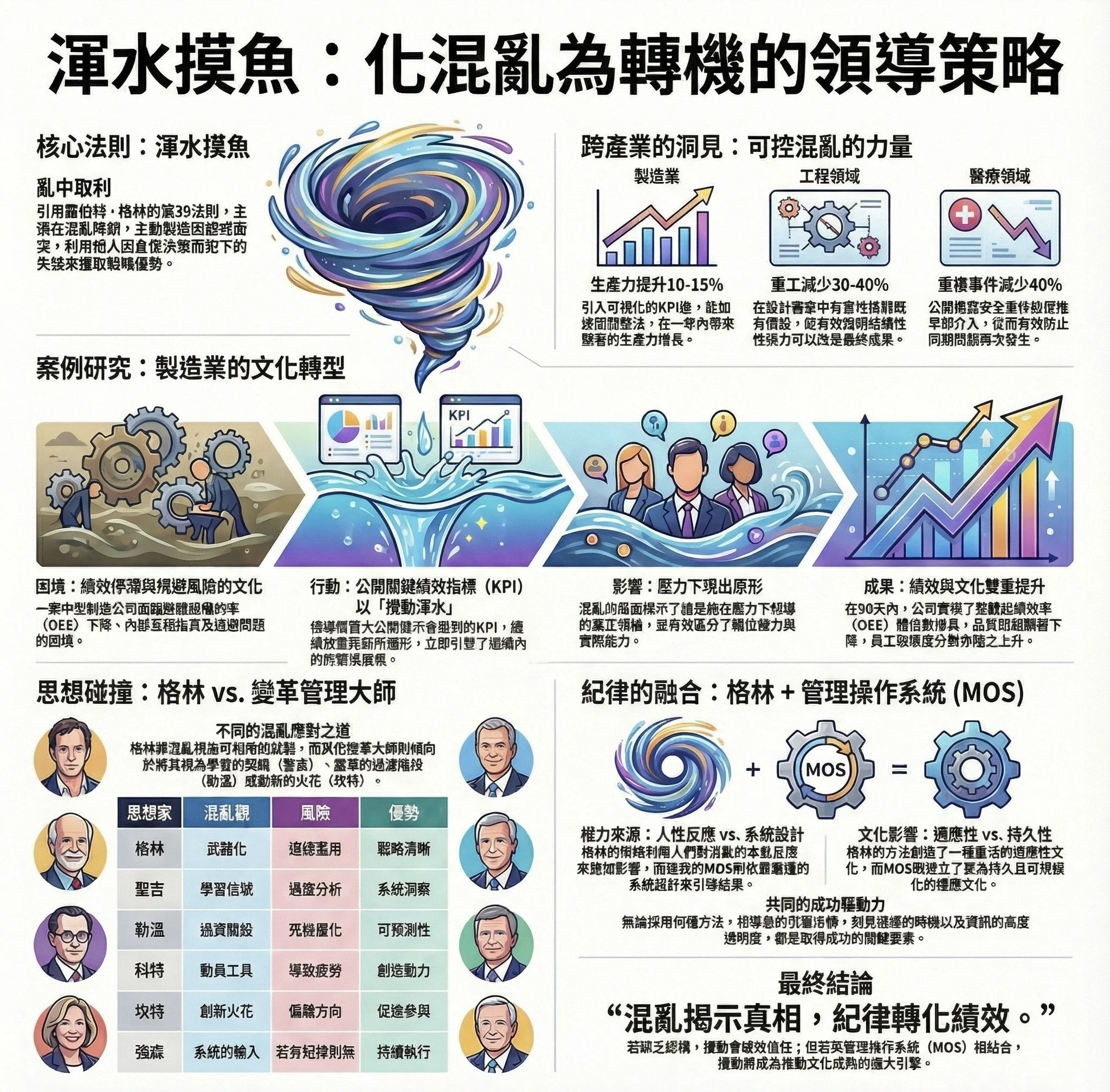
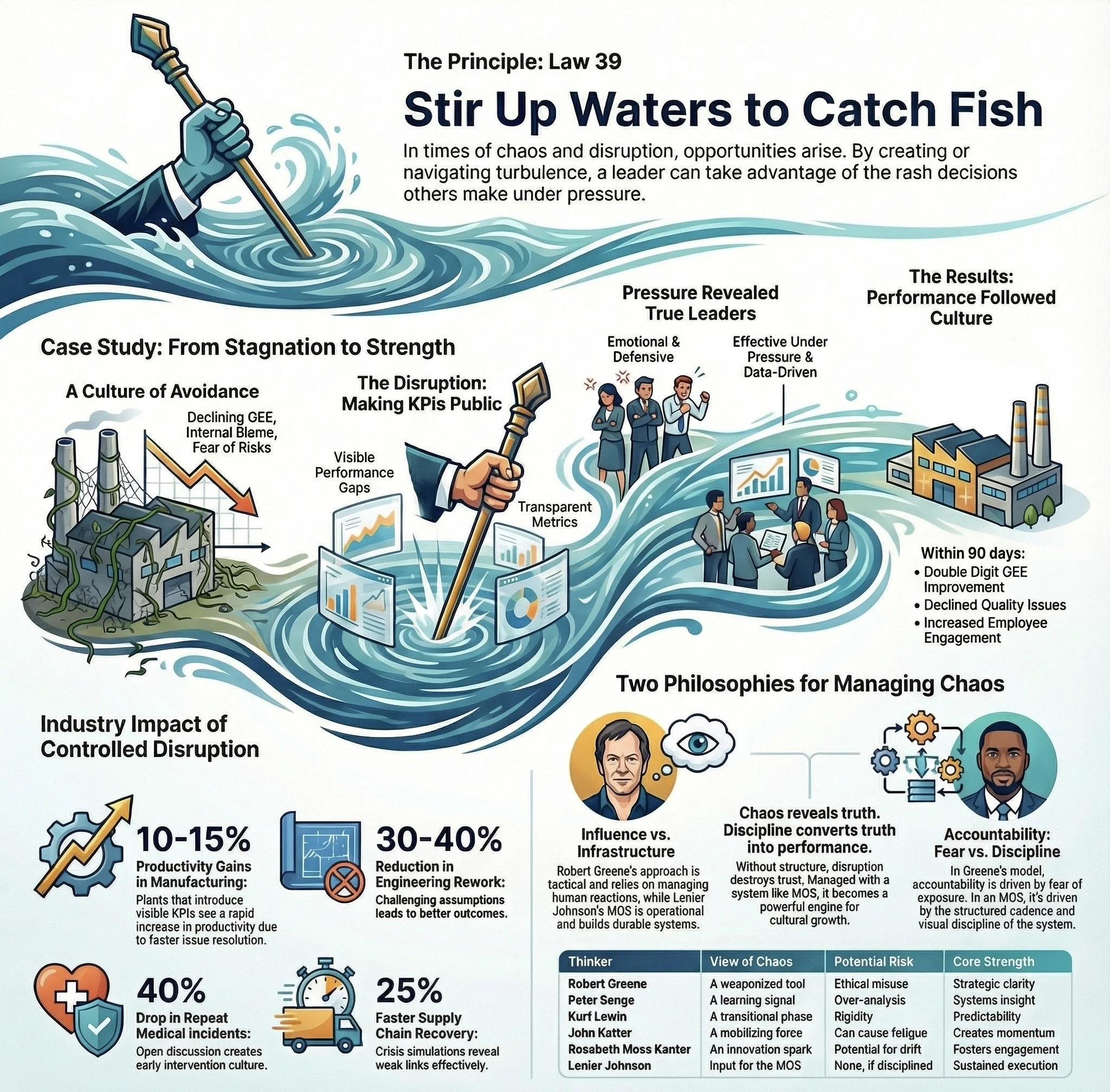
The provided text explores the strategic application of chaos through the lens of Robert Greene’s 39th Law of Power, which advocates for "stirring up waters" to gain a competitive advantage. It integrates this provocative concept with modern management operating systems and organizational discipline to show how controlled disruption can actually strengthen corporate culture and performance. By comparing Greene’s tactical approach to the theories of change management experts like John Kotter and Peter Senge, the sources demonstrate how transparency and tension can reveal hidden inefficiencies. The material includes a manufacturing case study, cross-industry insights, and various analytical tables to illustrate that visual accountability converts emotional volatility into operational success. Ultimately, the text provides a comprehensive framework for leaders to navigate unpredictable environments by using structure and discipline to turn disruption into a catalyst for growth.