



策略性動盪:『渾水摸魚』原則的深度解析與應用
執行摘要
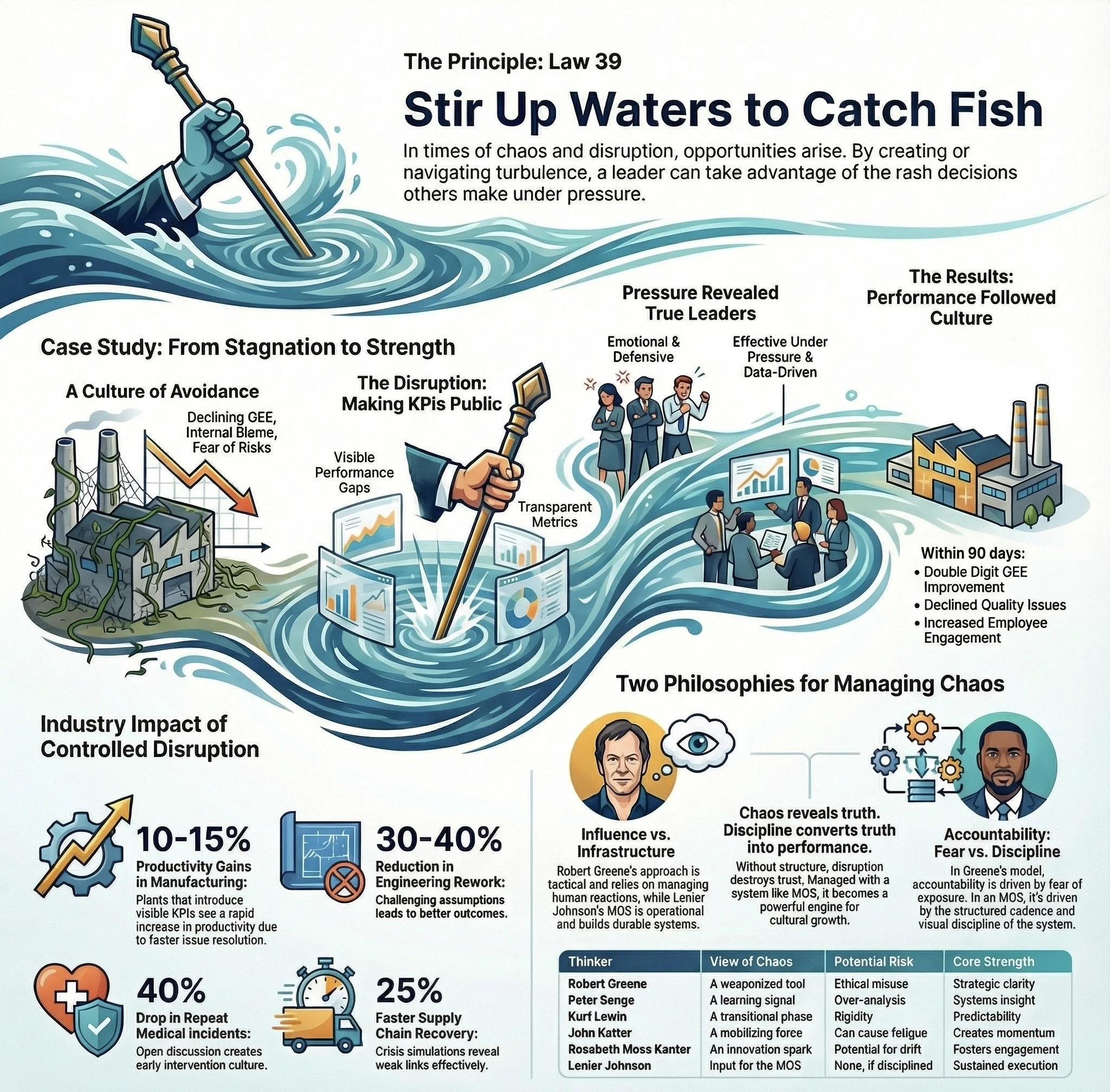
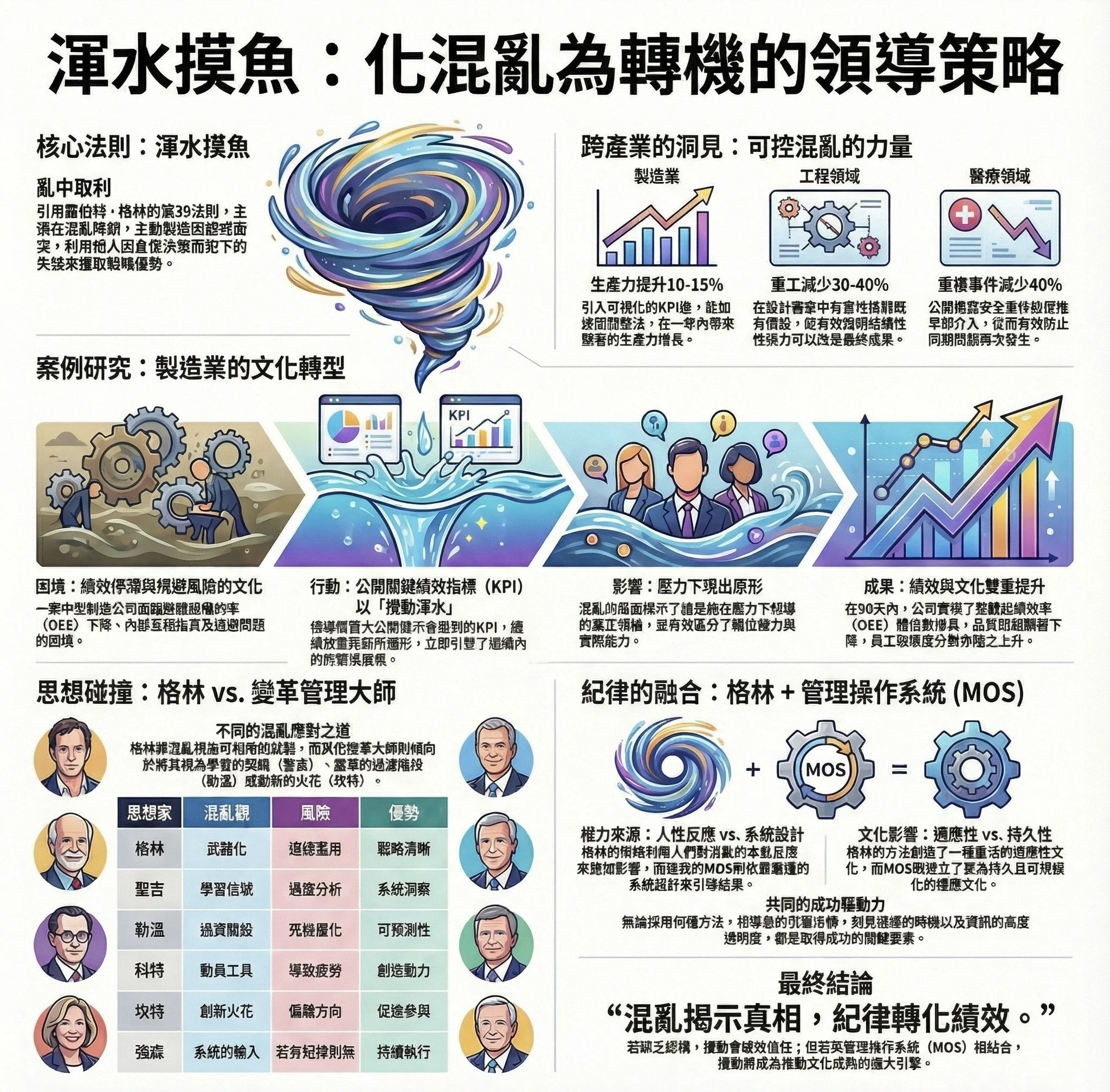
本簡報深度分析了羅伯特·格林(Robert Greene)在其著作《權力48法則》中提出的第39法則——「渾水摸魚」,並將其轉化為一種名為「可控動盪」的現代管理策略。核心論點是,領導者可以刻意製造或利用組織內的混亂與緊張局勢,以暴露深層問題、識別真正的領導人才,並推動根本性的文化變革。

For decades, the path to innovation was guarded by a formidable resource barrier. If you had a transformative idea, the prerequisite was a mountain of venture capital, grueling development cycles, and an army of specialized engineers. This was the "resource wall," and it forced countless visionaries into innovation paralysis.
Many organizations are currently trapped in a high-stakes paradox: their teams are working harder than ever, yet they continue to miss their numbers. When progress feels heavy and every strategic initiative meets invisible resistance, your organization is "rowing through treacle."
We all live "as if" a certain reality exists. You may live "as if" your feelings are the ultimate arbiter of truth or "as if" the material world is the only horizon. However, worldview is not a matter of subjective preference; it is a matter of alignment.
Steven Pivnik describes himself as a "recovering entrepreneur," but the cold reality is that he is a master of the high-stakes long game.
Why do some organizations navigate high-stakes pressure with grace while others crumble under the weight of a market shift? For many leaders, the answer lies in rigid processes or aggressive KPIs. However, Hanna Bauer—a transformation expert and Lean Six Sigma Black Belt—argues that the secret to sustainable performance is found at a much deeper level.
The provided text explores the strategic application of chaos through the lens of Robert Greene’s 39th Law of Power, which advocates for "stirring up waters" to gain a competitive advantage. It integrates this provocative concept with modern management operating systems and organizational discipline to show how controlled disruption can actually strengthen corporate culture and performance. By comparing Greene’s tactical approach to the theories of change management experts like John Kotter and Peter Senge, the sources demonstrate how transparency and tension can reveal hidden inefficiencies. The material includes a manufacturing case study, cross-industry insights, and various analytical tables to illustrate that visual accountability converts emotional volatility into operational success. Ultimately, the text provides a comprehensive framework for leaders to navigate unpredictable environments by using structure and discipline to turn disruption into a catalyst for growth.
1. 導論:超越工具的策略思維轉變
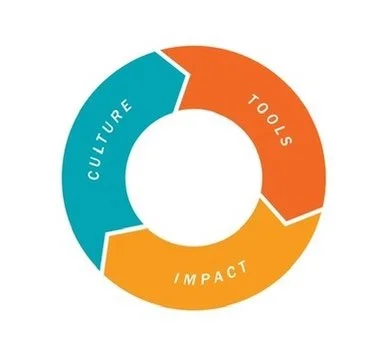
許多企業投入大量資源導入管理營運系統(Management Operating System, MOS),期望能提升營運效率與團隊問責制,但最終成果卻往往不如預期。問題的根源通常不在於系統的設計或工具本身,而在於一個更深層次的策略盲點:僅專注於流程的執行,而忽略了最關鍵的成功因素——文化整合。 當一個MOS被視為外加的行政任務而非核心工作方式時,它便失去了生命力。真正的轉型,是將MOS的原則深植於組織的DNA中,使其從一套「必須遵守的規則」演變為「我們就是這樣做事的」文化信念。本次高階主管簡報將透過具體的案例與跨行業數據,闡明為何將MOS融入文化,是企業從「執行任務」邁向「實現可持續卓越營運」的唯一路徑,也是釋放其真實投資回報的關鍵。然而,一個僅僅停留在流程層面的MOS,將不可避免地引發一系列可預見的營運風險。
Introduction: Beyond the Buzzwords
What if the most popular leadership advice is actually a trap? We’ve all heard the buzzwords: "culture eats strategy for breakfast," "empower your teams." They sound great in meetings and look even better on a poster. But these slogans often fall flat, offering inspiration but no instruction, leaving leaders wondering why their well-intentioned mantras aren't translating into results.
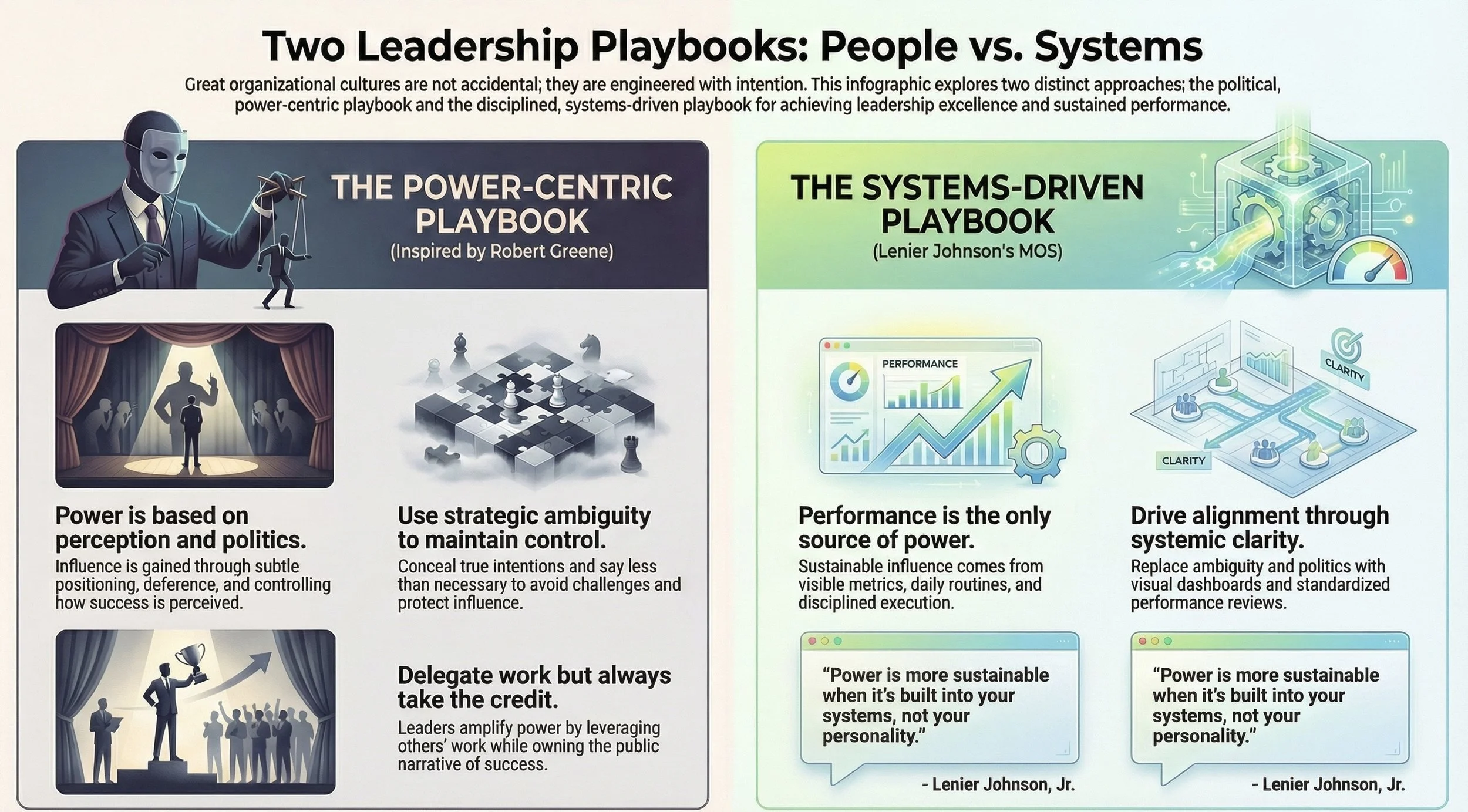
A new playbook, Culture by Design, Power by Discipline by Lenier Johnson, Jr., challenges leaders to move beyond these buzzwords. It offers a surprising and insightful perspective by contrasting the disciplined, system-based approach of a Management Operating System (MOS) with the often-controversial principles from Robert Greene's The 48 Laws of Power. This article distills the most impactful takeaways from this unique comparison, showing how to lead with systems, not just slogans.
These episodes will focus on the newly released four part Playbook Series “Culture by Design, Power by Discipline: How to shape high performing cultures through intentional behaviors and power aware systems”.
Volume 1, Released on November 26th 2025; Volume 2 will be released on February 10th. 2026; Volume 3 will be released on June 1st, 2026; Volume 4, TBD
Think as You Like But Behave Like Others
To navigate power structures, sometimes it’s necessary to blend in. You can think freely and uniquely, but behaving in a way that aligns with social norms and expectations keeps you from drawing unwanted attention. This strategy ensures you remain undetected while still holding your true beliefs.