

Embed MOS Into the Culture, Not Just the Process
Successful MOS implementations go beyond tools and templates—they shift behavior. Embed MOS into how your team operates daily so it becomes “the way we do things here,” not just another program.

Steven Pivnik describes himself as a "recovering entrepreneur," but the cold reality is that he is a master of the high-stakes long game.
Why do some organizations navigate high-stakes pressure with grace while others crumble under the weight of a market shift? For many leaders, the answer lies in rigid processes or aggressive KPIs. However, Hanna Bauer—a transformation expert and Lean Six Sigma Black Belt—argues that the secret to sustainable performance is found at a much deeper level.
For Celeste Warren, a former Fortune 100 executive and global DEI chief, this wasn't just an economic case study—it was her backyard. It was also the backdrop for her father’s career as the first Black teacher and principal in the region. Every evening at the dinner table, Warren received a masterclass in systemic friction. She listened to her father describe the daily exhaustion of being a pioneer in a system not built for him. These stories became the catalyst for a radical leadership philosophy: Equity is not a "nice-to-have" moral outreach project. It is a pragmatic leadership discipline—the corporate equivalent of Pittsburgh’s reinvention—required for survival in a global, multi-generational market.
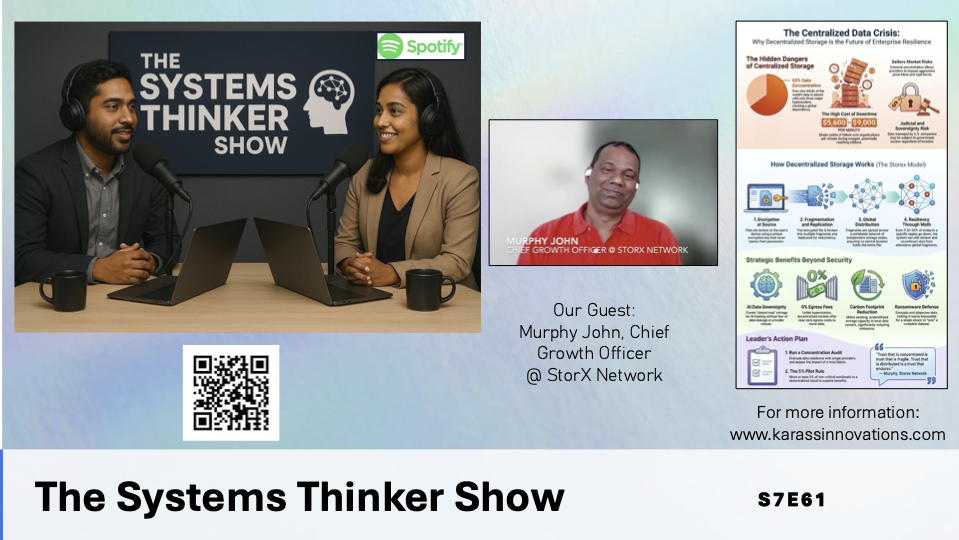
The urgency of this fragility cannot be overstated. In the last five years alone, humanity has generated more data than in the previous twenty years combined. This explosion—driven by AI training, IoT, and edge devices—is being funneled into an aging, centralized infrastructure that was never designed to handle this level of volume or volatility. We aren’t just building on a narrow foundation; we are building a skyscraper on a toothpick.
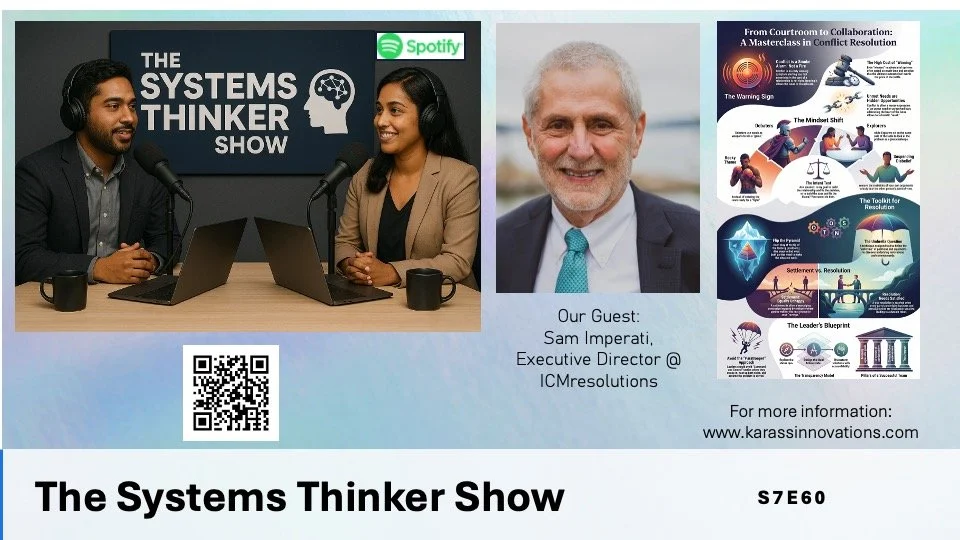
The cost of "winning" through these scorched-earth tactics is staggering. Even the so-called victors walk away drained, having spent immense financial resources and emotional capital spinning in controversy for years. This is not how evolution works; it is how relationships die. True leadership requires moving away from the default adversarial mindset and toward a faster, more informal, and infinitely more effective way to resolve human friction.
This potential for a smaller footprint could unlock new, unexpected uses for solar.
A new kind of solar cell called a perovskite is improving rapidly, bringing the prospect of solar-powered vehicles, clothing, and windows closer to reality.
Professor Kasper Moth-Poulsen holding a tube containing the catalyst, in front of the ultra-high vacuum setup that was used to measure the heat release gradient in the molecular solar thermal energy storage system.