



Make Visual Management Work Instantly
Use color-coded indicators like red/yellow/green or symbols that make performance trends instantly clear. Visual management should reduce the time it takes for teams to interpret data and make decisions.

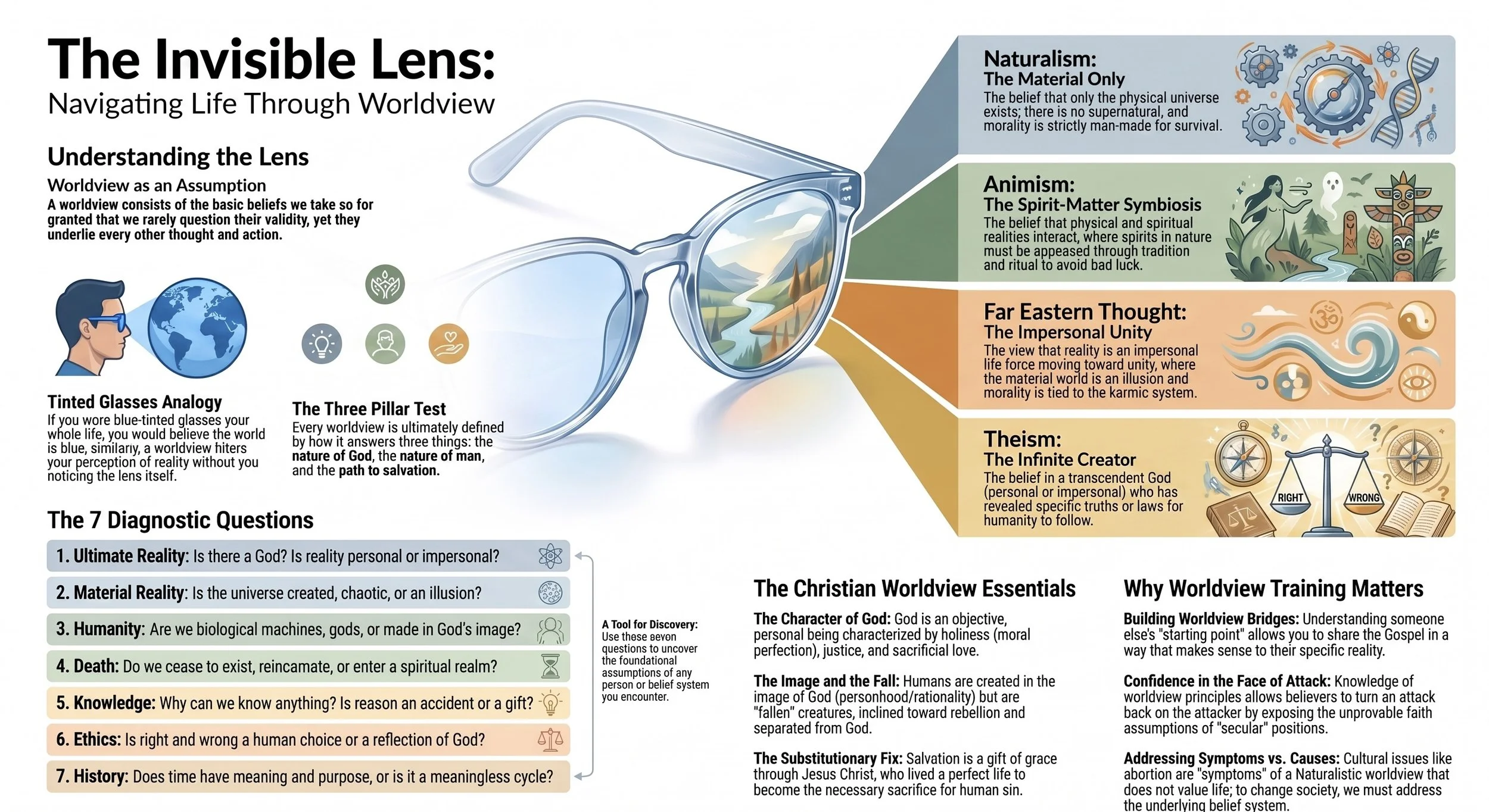
We all live "as if" a certain reality exists. You may live "as if" your feelings are the ultimate arbiter of truth or "as if" the material world is the only horizon. However, worldview is not a matter of subjective preference; it is a matter of alignment.
Steven Pivnik describes himself as a "recovering entrepreneur," but the cold reality is that he is a master of the high-stakes long game.
Why do some organizations navigate high-stakes pressure with grace while others crumble under the weight of a market shift? For many leaders, the answer lies in rigid processes or aggressive KPIs. However, Hanna Bauer—a transformation expert and Lean Six Sigma Black Belt—argues that the secret to sustainable performance is found at a much deeper level.
For Celeste Warren, a former Fortune 100 executive and global DEI chief, this wasn't just an economic case study—it was her backyard. It was also the backdrop for her father’s career as the first Black teacher and principal in the region. Every evening at the dinner table, Warren received a masterclass in systemic friction. She listened to her father describe the daily exhaustion of being a pioneer in a system not built for him. These stories became the catalyst for a radical leadership philosophy: Equity is not a "nice-to-have" moral outreach project. It is a pragmatic leadership discipline—the corporate equivalent of Pittsburgh’s reinvention—required for survival in a global, multi-generational market.
The urgency of this fragility cannot be overstated. In the last five years alone, humanity has generated more data than in the previous twenty years combined. This explosion—driven by AI training, IoT, and edge devices—is being funneled into an aging, centralized infrastructure that was never designed to handle this level of volume or volatility. We aren’t just building on a narrow foundation; we are building a skyscraper on a toothpick.
The sweeping tariffs introduced by President Trump in April 2025—dubbed the “Liberation Day” tariffs—are reshaping the landscape for supply chain, shipping, trucking, and logistics sectors. These measures, including a universal 10% import tariff and additional country-specific levies reaching up to 54% for nations like China, are already exerting significant pressure on global trade dynamics .(Houston Chronicle, Wikipedia)
Always Say Less Than Necessary
When you speak, be economical with your words. By saying less, you create an aura of mystery and control. The more you speak, the more likely you are to say something that could be used against you. Silence communicates power, and people will read into what you don’t say, amplifying your influence.