https://apple.news/ATso0AaOGRs-InrOLS1e3fw
Engineering, Federal Government, Manufacturing, Production, Solar, STEM Education, Supply Chain, USGBC, Warehousing
When results stall, the leadership instinct is often to launch another planning cycle or order a strategy refresh. However, repeating the planning process fails to fix the underlying environment where the work actually takes place. Strategy is only as executable as the operational conditions surrounding the people expected to deliver it.
Engineering, Federal Government, Manufacturing, Production, STEM Education, Supply Chain, USGBC, Warehousing
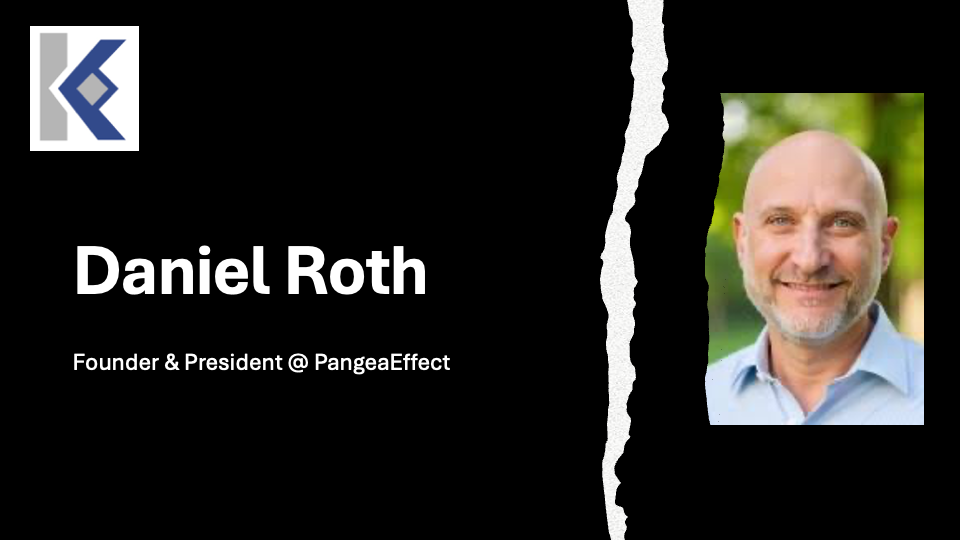
In the high-stakes environments of national security and elite military operations, the word "accountability" isn't a threat—it’s a survival mechanism. Yet, in most corporate boardrooms, the term triggers a defensive crouch. For many, accountability is treated as a post-mortem, a punitive tool invoked only after a project has cratered and a scapegoat is needed.
Engineering, Federal Government, Manufacturing, Production, Solar, STEM Education, Supply Chain, USGBC, Warehousing
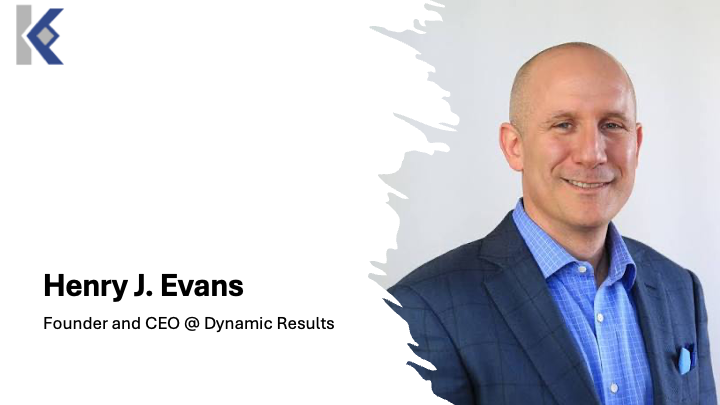
For decades, the path to innovation was guarded by a formidable resource barrier. If you had a transformative idea, the prerequisite was a mountain of venture capital, grueling development cycles, and an army of specialized engineers. This was the "resource wall," and it forced countless visionaries into innovation paralysis.
Engineering, Federal Government, Manufacturing, Production, Solar, STEM Education, Supply Chain, USGBC, Warehousing
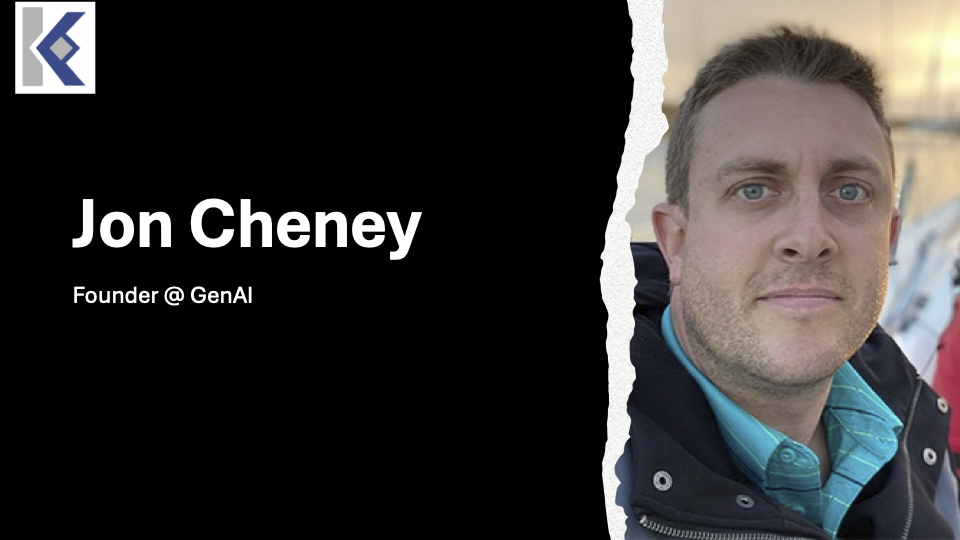
Many organizations are currently trapped in a high-stakes paradox: their teams are working harder than ever, yet they continue to miss their numbers. When progress feels heavy and every strategic initiative meets invisible resistance, your organization is "rowing through treacle."
Engineering, Federal Government, Manufacturing, Production, Solar, STEM Education, Supply Chain, USGBC, Warehousing
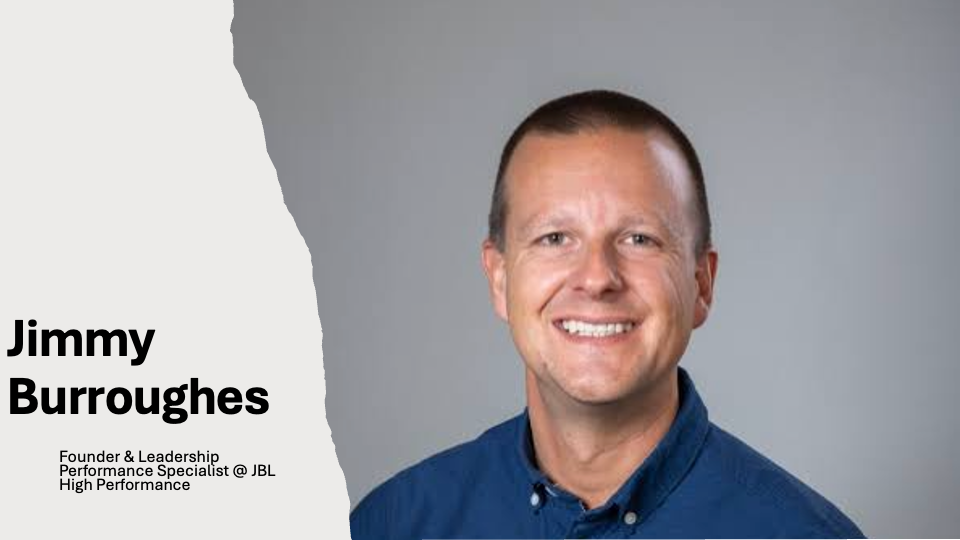
We all live "as if" a certain reality exists. You may live "as if" your feelings are the ultimate arbiter of truth or "as if" the material world is the only horizon. However, worldview is not a matter of subjective preference; it is a matter of alignment.