Make Metrics Visible to Everyone (Part 2 of 3)

Case Study: Improving Productivity by Making Metrics Visible at Apex Manufacturing

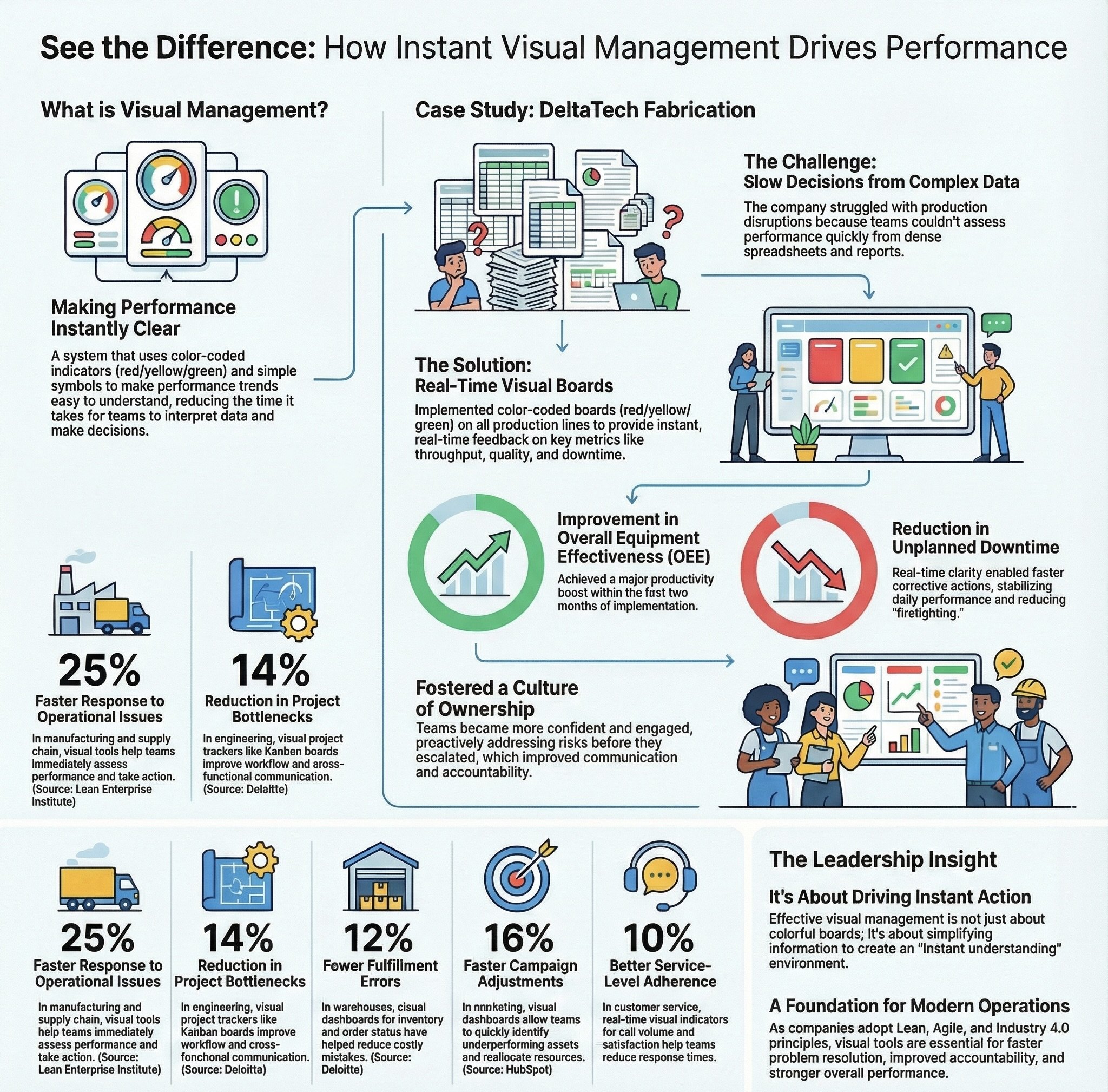
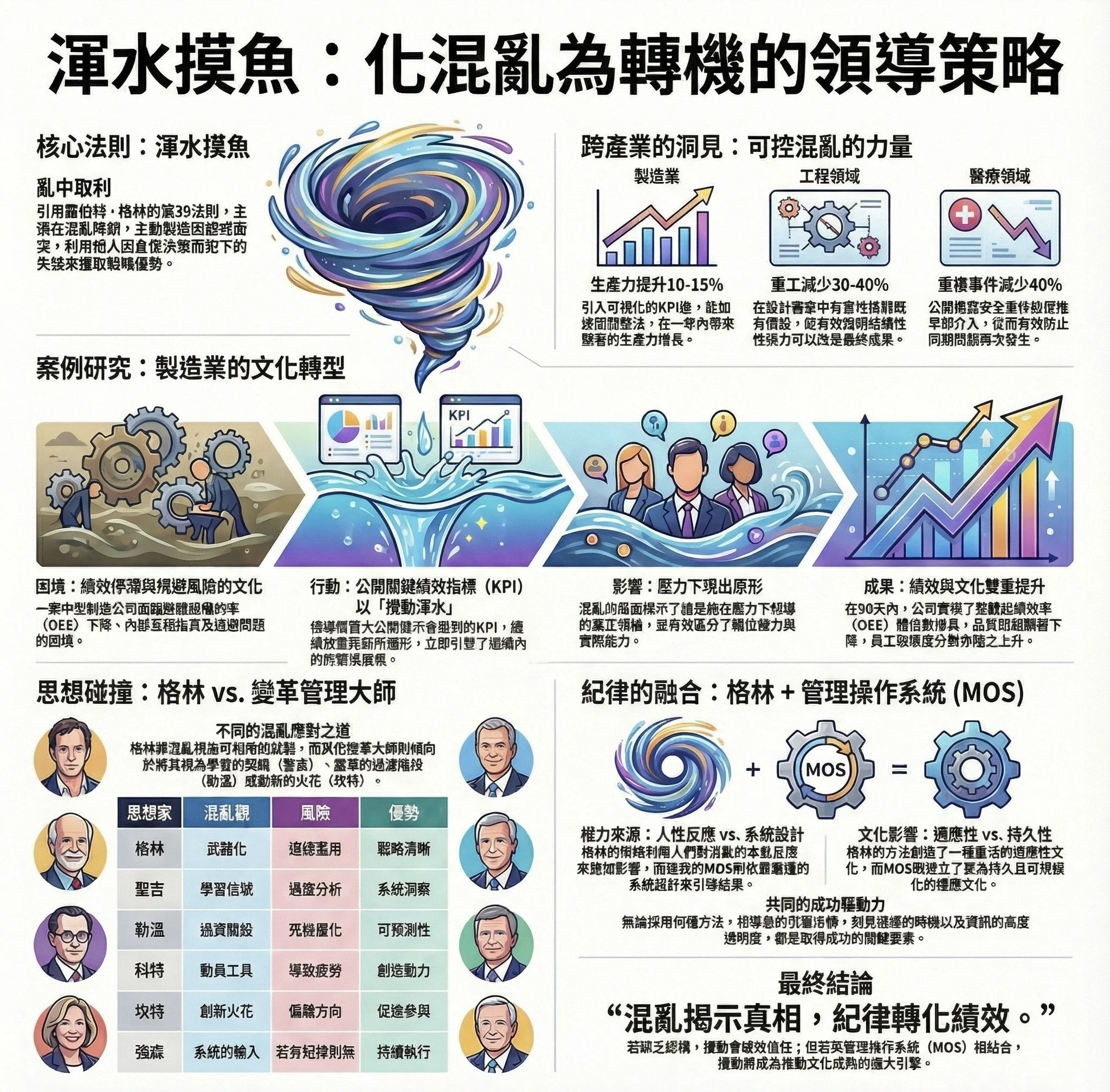
Apex Manufacturing, a mid-sized producer of industrial components, was struggling with stagnant productivity levels and a lack of engagement from frontline teams. Although the company tracked key performance indicators (KPIs) such as throughput, downtime, and quality defects, this data was typically stored in spreadsheets shared via email or reviewed only in weekly management meetings. As a result, employees on the shop floor had little visibility into daily performance trends, and accountability remained limited to supervisors and managers.

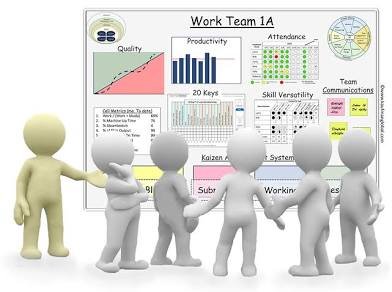
In an effort to create a more transparent and performance-driven environment, Apex implemented a new strategy: make metrics visible to everyone. They installed digital dashboards at key points across the production floor and in break areas, displaying live feeds of critical KPIs updated in real-time from the company’s production systems. Additionally, whiteboards were introduced for team leaders to track and discuss daily and shift-level performance. Employees were encouraged to participate in reviewing results during shift huddles, and action plans were created collaboratively to address any variances.

Within three months of implementation, Apex saw a noticeable shift in both employee engagement and operational performance. Teams became more proactive in addressing production bottlenecks, leading to a 15% reduction in downtime and a 10% increase in throughput. Quality defects per shift also dropped by 8%, as employees were now more aware of how their actions impacted overall quality performance. The visibility of metrics encouraged peer accountability and fostered a sense of ownership at every level.

Beyond the numbers, the cultural shift was evident. Employees expressed a stronger connection to company goals, with many reporting that the visual tracking tools made them feel more empowered and valued. By moving KPIs out of spreadsheets and onto visible boards and dashboards, Apex Manufacturing built a culture of continuous improvement and data-driven decision-making, setting the stage for sustained productivity gains.
Make Metrics Visible to Everyone (Part 1 of 3)

Make Metrics Visible to Everyone (Part 1 of 3)

Make Metrics Visible to Everyone

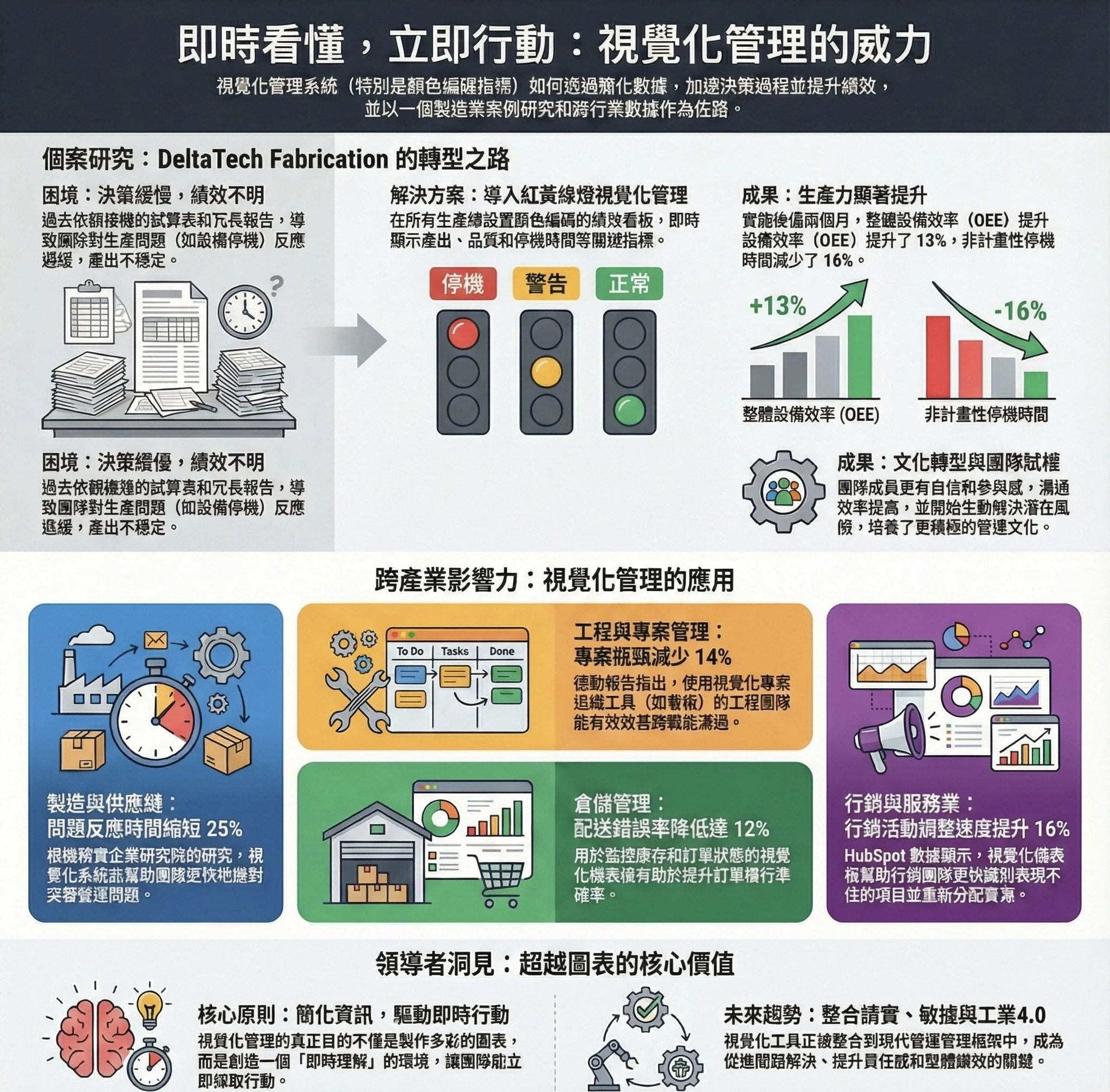
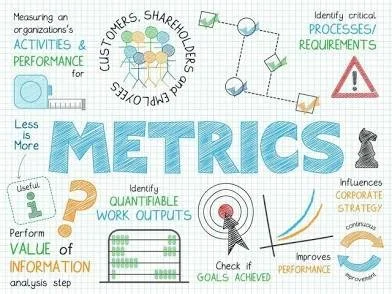
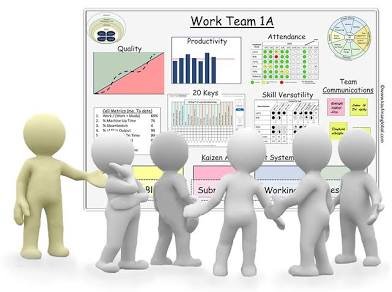
KPIs shouldn’t live on spreadsheets buried in inboxes. Display them prominently on boards or digital dashboards where everyone can see them. Visual performance tracking encourages ownership, drives focus, and builds a data-driven culture.

Start Every Day with a Purposeful Shift Meeting Part 2 of 3

Start Every Day with a Purposeful Shift Meeting Part 2 of 3

Start Every Day with a Purposeful Shift Meeting

Daily shift meetings (or Tier 1 meetings) are the heartbeat of a solid MOS. Keep them short and focused—review yesterday’s performance, today’s plan, and current issues. This sets expectations and fosters alignment before the workday begins.

Start Every Day with a Purposeful Shift Meeting Part 3

Start Every Day with a Purposeful Shift Meeting Part 3

Daily shift meetings (or Tier 1 meetings) are the heartbeat of a solid MOS. Keep them short and focused—review yesterday’s performance, today’s plan, and current issues. This sets expectations and fosters alignment before the workday begins.

Overview of the 10 areas of focus for small manufacturing firms in 2023: Part 4

Diversification: Diversification is a key strategy for mitigating risk and growing a small manufacturing firm. By expanding into new markets, product lines and customer segments, a small manufacturing firm can reduce dependence on a single source of revenue and provide a hedge against economic fluctuations. A well-executed diversification strategy should be grounded in thorough market research and a clear understanding of the competitive landscape.

Overview of the 10 areas of focus for small manufacturing firms in 2023: Part 3

Sustainability: Sustainability is becoming an increasingly important factor for consumers, and small manufacturing firms should prioritize implementing eco-friendly practices and reducing their carbon footprint to appeal to environmentally conscious consumers. This can include using sustainable materials, reducing waste, and implementing energy-efficient processes. In addition, by demonstrating a commitment to sustainability, small manufacturing firms can differentiate themselves from competitors and improve their reputation.

Overview of the 10 areas of focus for small manufacturing firms in 2023: Part 2

Supply Chain Optimization: Supply chain optimization is another crucial area of focus for small manufacturing firms. Focusing on reducing costs, improving delivery times and ensuring the security of supply can help increase profitability and customer satisfaction. This can involve optimizing processes such as procurement, production planning, and logistics, as well as collaborating with suppliers and partners to streamline the supply chain. In addition, implementing a risk management strategy can help small manufacturing firms prepare for potential supply chain disruptions and minimize their impact.

Overview of the 10 areas of focus for small manufacturing firms in 2023: Part 1

Digital Transformation: Small manufacturing firms need to embrace technology to stay competitive in the rapidly changing business landscape. By automating manual processes, implementing digital tools and platforms, and leveraging data and analytics, a small manufacturing firm can streamline operations, increase efficiency, and enhance customer experiences. A digital transformation strategy should take into account the specific needs of the business and prioritize